
What are the different types of fuse rails?
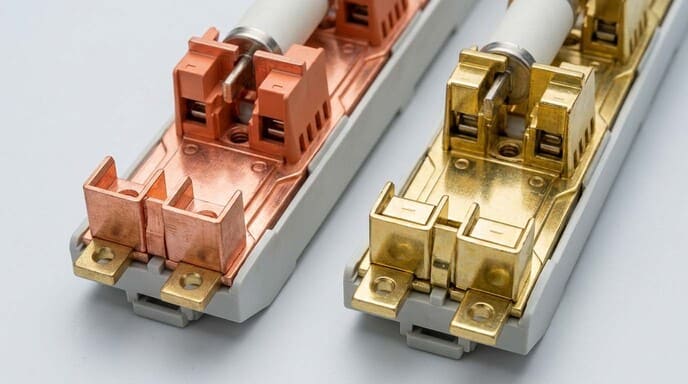
A wrong fuse rail can make a panel hard to wire, hard to maintain, and unsafe under load. I have seen this problem in real cabinets. I usually divide fuse rails into DIN rail mounted fuse rails, busbar fuse rails, NH fuse rails, modular fuse rails, and single-pole or multi-pole fuse rails. The right type […]
What Are the Different Types of Fuse Rails?
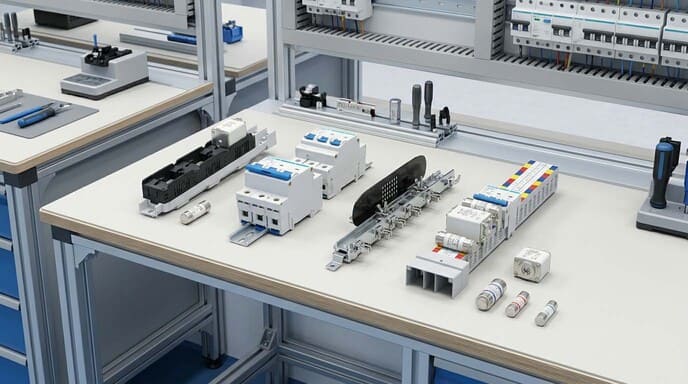
I have seen many people choose the wrong fuse rail first. That mistake costs time, space, and sometimes safety. A fuse rail is a mounting and connection solution for one or more fuses, and the right type depends on the fuse size, current, voltage, pole count, and installation method. In my work, I usually group […]
What is a fuse rail used for?
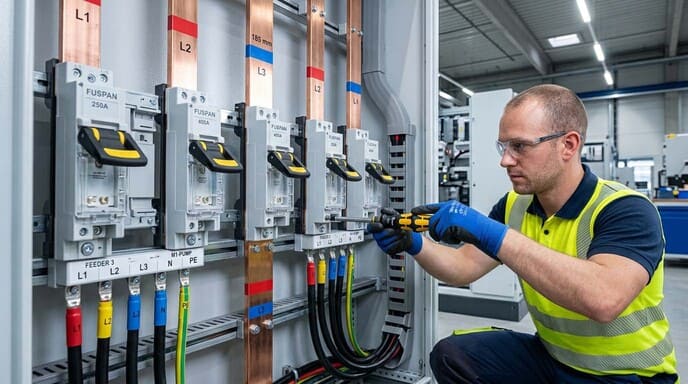
I use fuse rails to combine protection, isolation, and modular power distribution in one compact unit inside low-voltage panels. A fuse rail is used to protect and disconnect feeders on a low‑voltage busbar system1, while also making the distribution modular, compact, and easy to expand in the future. In my projects, I use fuse rails […]
# What is a fuse rail used for?
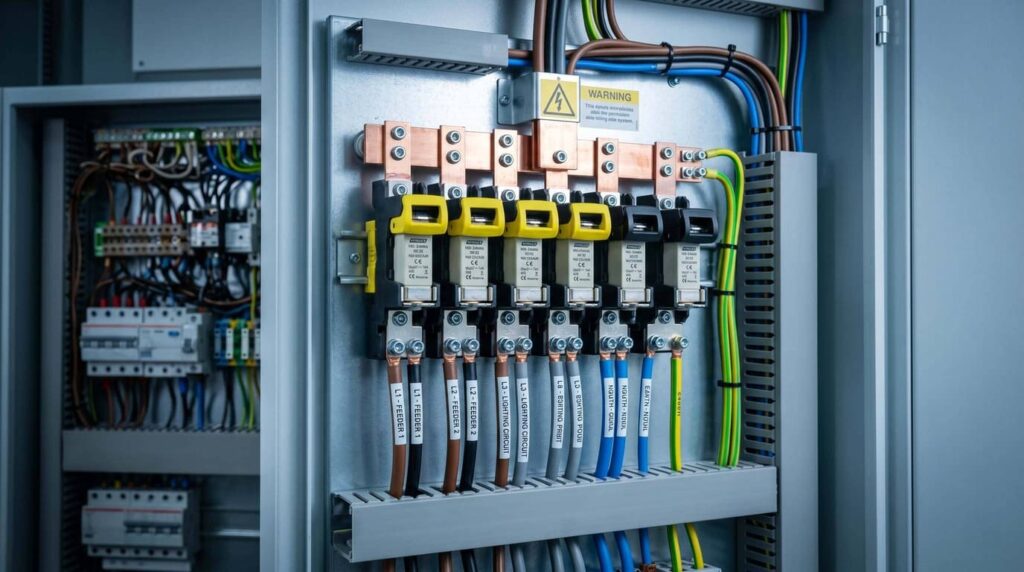
Low-voltage upgrades can become risky fast. I see crowded panels, hot cables, and unclear protection points. A fuse rail solves this in one simple structure. A fuse rail is used to mount NH fuse links on a low-voltage busbar system, protect outgoing circuits, and isolate feeders safely. I use it in distribution panels where I […]
How Do You Choose the Right Fuse Switch Disconnector for Your Project?
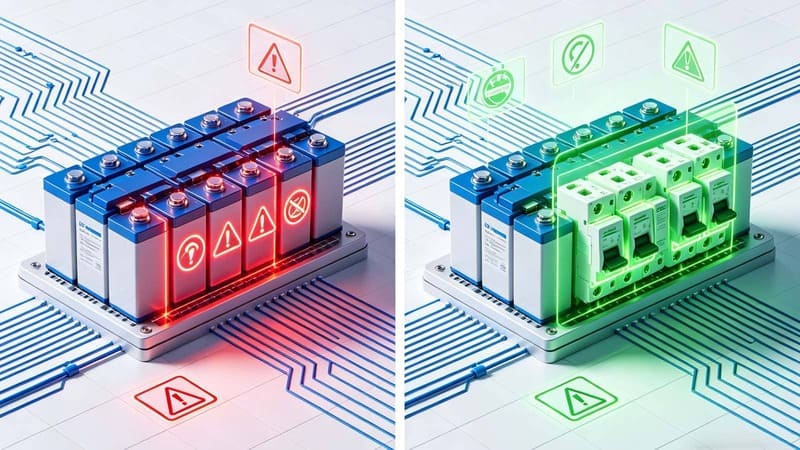
Many engineers face costly downtime when fuse switch disconnectors fail under load or lack expansion room. A fuse switch disconnector combines a visible isolation switch and fuse protection in one unit1. It gives clear visual confirmation of a de-energized circuit for safe maintenance and melts the fuse during short circuits to protect wiring and equipment. […]
How to Choose Fuse Switch Disconnectors for Industrial Power Distribution?
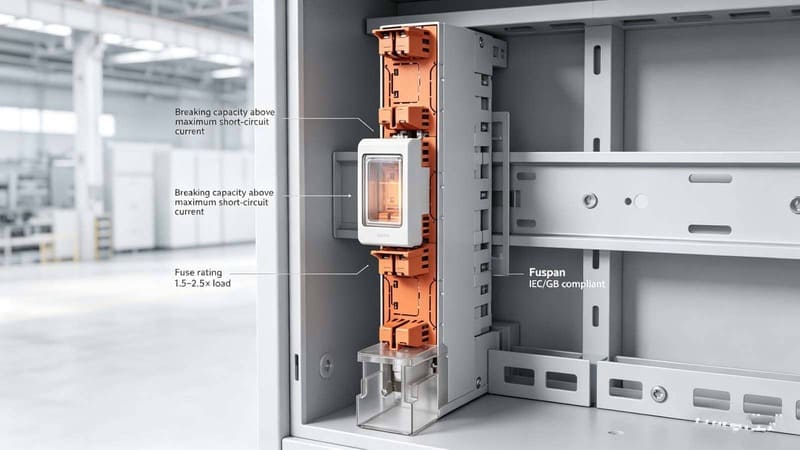
The wrong fuse switch disconnector can trip all the time, fail during a fault, or stop you from expanding later. I always try to avoid these mistakes from the start. To choose a fuse switch disconnector, I match the system voltage and current, check short-circuit breaking capacity, set the fuse at about 1.5–2.5 times the […]
Fuse Switch Disconnector: how do you choose and use it the right way?
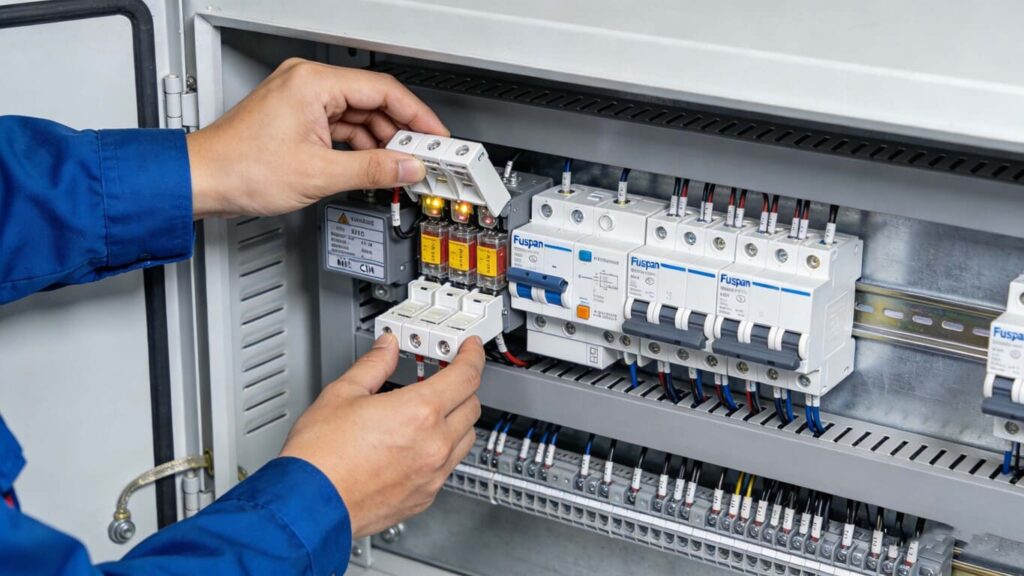
I often see projects fail not because the fuse burned, but because no one could isolate the fault fast enough under pressure. A fuse switch disconnector1 combines a fuse and an isolating switch in one device. It provides overcurrent protection and clear on/off isolation, so I can safely disconnect, inspect, and restore only the faulty […]
Common Mistakes When Choosing a Fuse Switch Disconnector?
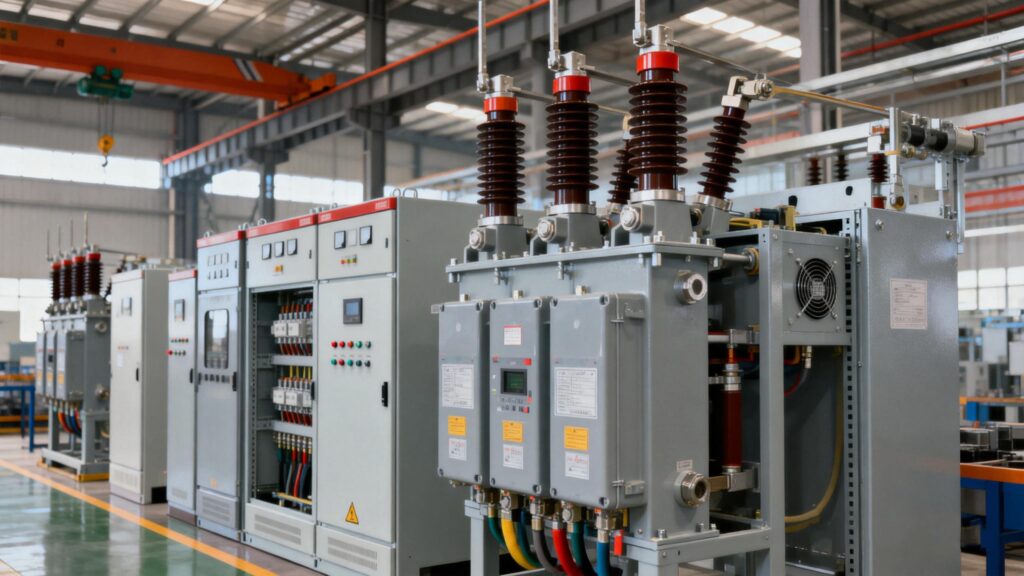
A wrong selection does not just mean bad performance. It can mean overheating contacts, blown fuses under normal operation, or catastrophic failure when a short circuit hits. I have watched projects fail because the team picked the device last, instead of designing around real fault levels and duty cycles from the start. The most common […]
Choosing Between Fuse Switch Disconnectors and MCCBs: What I Have Learned
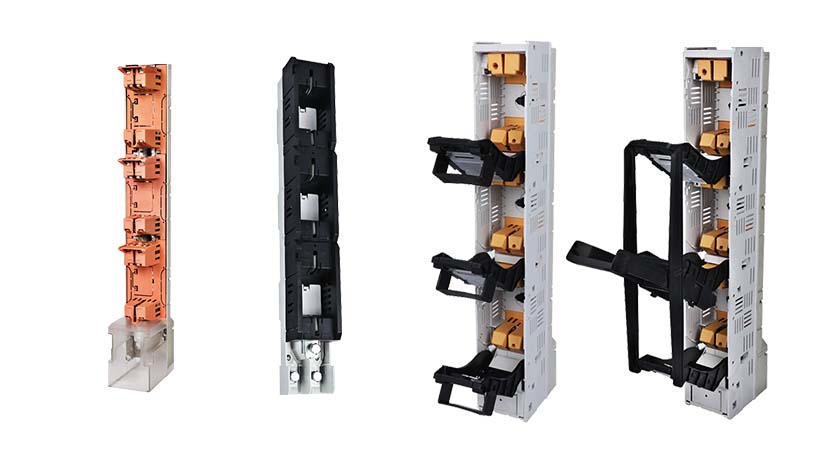
I remember the first time I had to pick between a fuse switch disconnector and a molded case circuit breaker. I stood in front of a cabinet with high fault currents, and I had to decide fast. Both devices promised protection, but in different ways. I will share what I learned, with my own stories, […]
How to Select the Right Fuse Switch Disconnector for Your Distribution Board
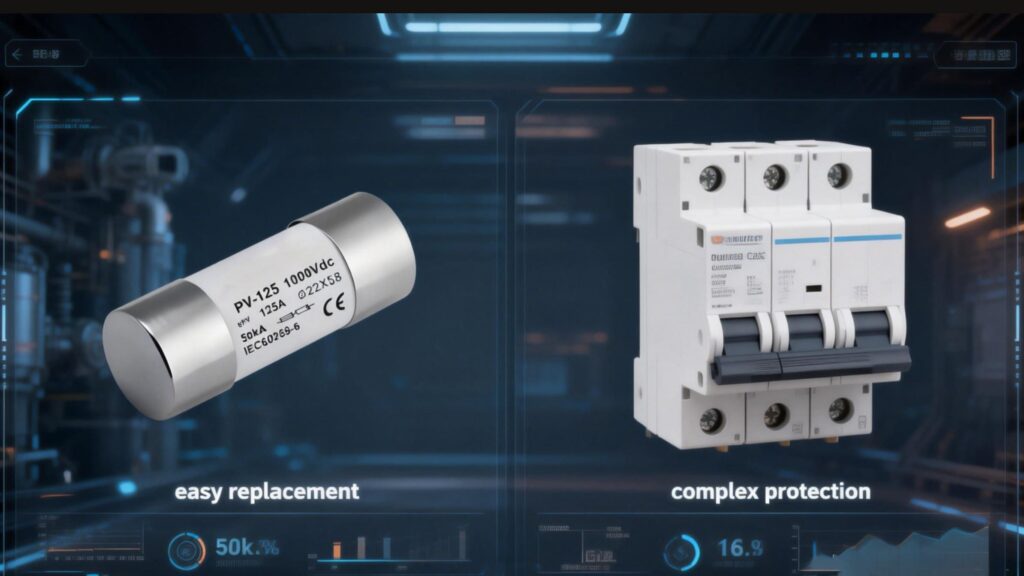
How to Select the Right Fuse Switch Disconnector1 for Your Distribution Board? A wrong protection choice does not just trip a circuit. It can burn a busbar, damage a motor starter, or shut down a whole line. I have learned that the “right” choice is the device that controls the failure you cannot afford. Select […]