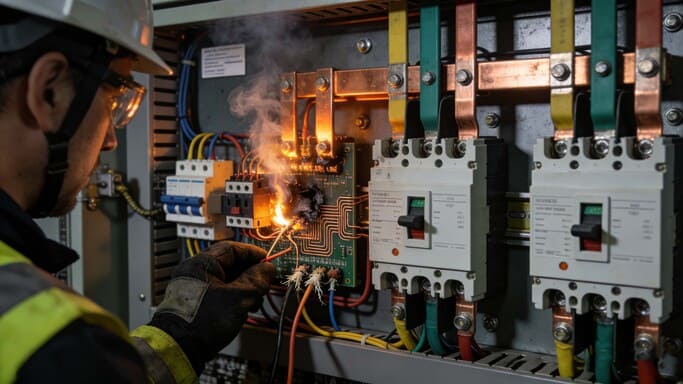
Power distribution in industrial and commercial sites can create real risks. Overcurrent faults, short circuits, and maintenance accidents happen without warning. Equipment gets damaged, and workers can get hurt. Solving this requires more than basic protection. It requires the right combination of isolation and protection.
A fuse switch disconnector1 combines overcurrent protection and lockable isolation2 in one device, letting you safely de-energize circuits while defending supply lines from surges. This dual function makes it essential in modern facilities where predictable fault clearing, visual isolation, and fast maintenance keep operations running.
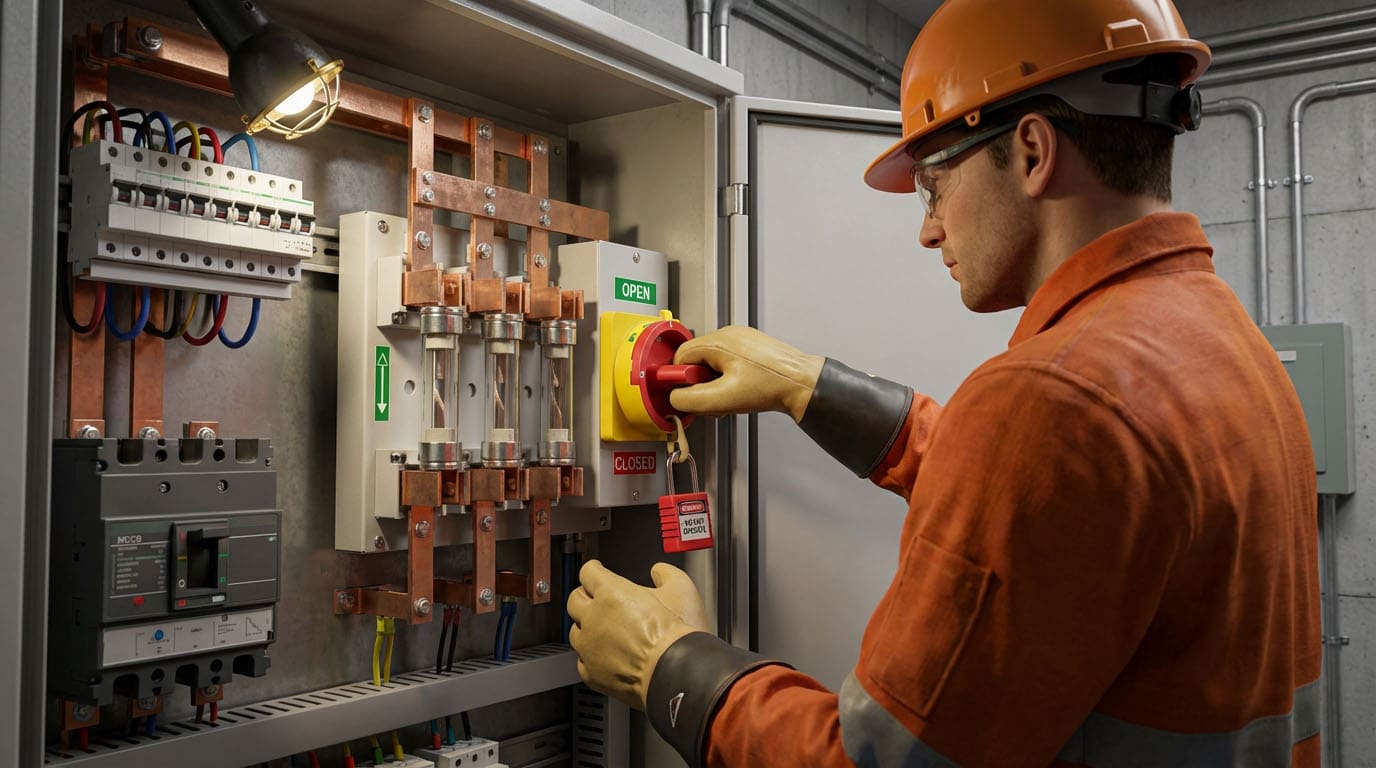
I've worked with many plants that moved from generic breakers to fusible disconnects. They wanted control over fault clearing and faster, safer access during service. What follows explains exactly why this device matters.
What is the function of fuse switch disconnector?
Fault detection and circuit isolation can feel separate when they shouldn't be. Equipment failures often happen because protection and disconnection live in different boxes. Coordination breaks down.
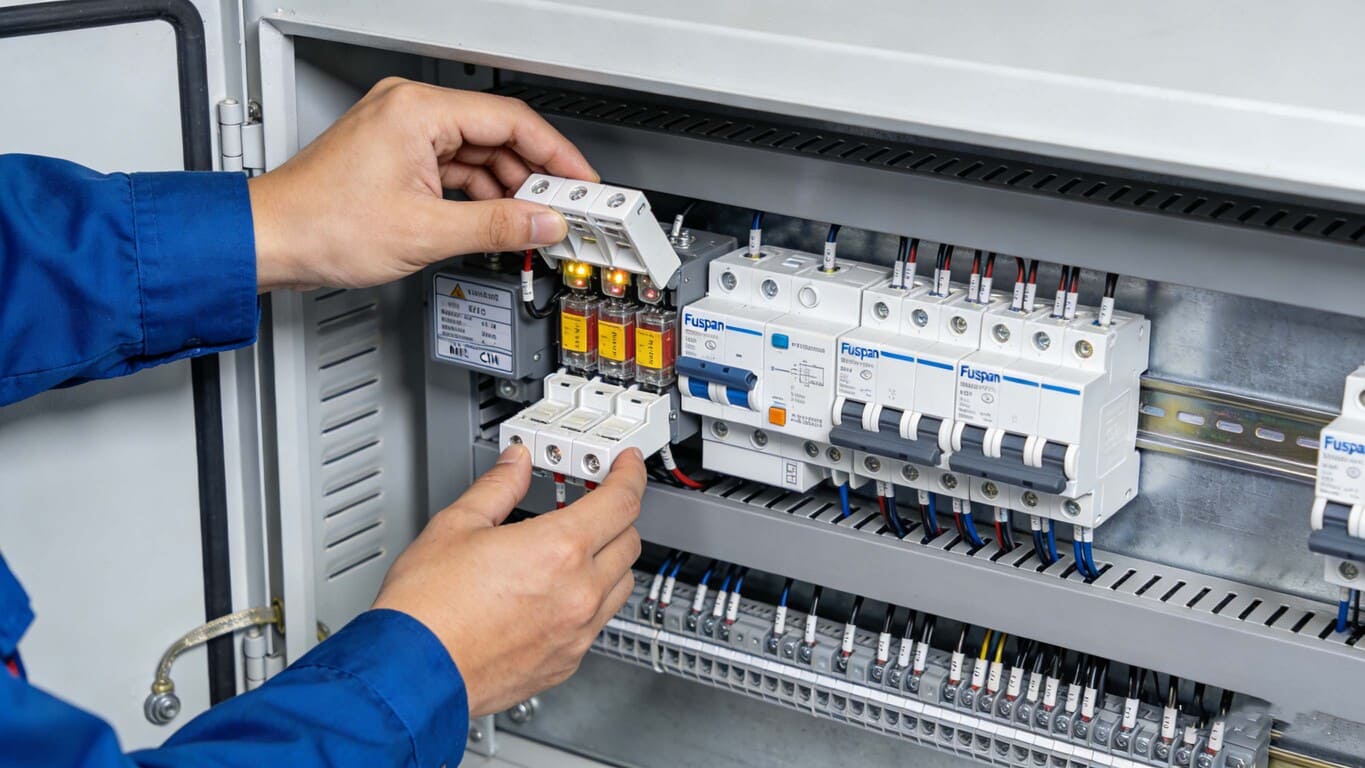
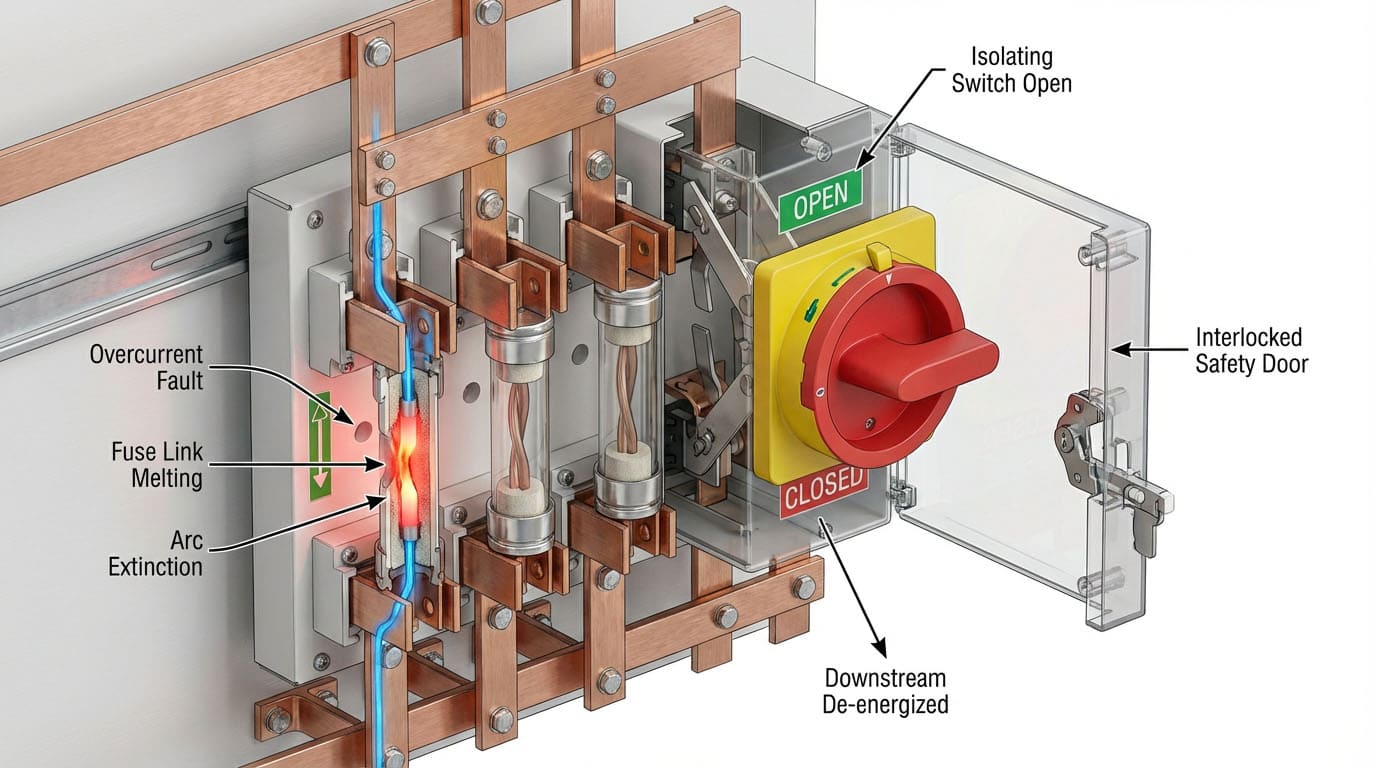
A fuse switch disconnector performs two critical roles: the fuse link senses overcurrent and melts to safely interrupt fault currents, while the switch mechanism isolates and de-energizes downstream equipment for safe maintenance access. Interlocks prevent opening fuse access doors until switches are off, ensuring total safety.
How the dual protection works in practice
The fuse element sits inside a holder that accepts removable cartridge or blade fuses. You can install suitable fuse types and ratings to match the connected equipment and supply lines. When amperage exceeds the fuse rating for enough time, the fuse link melts. This interrupts faulty currents while allowing harmless inrush and motor startup surges. After a fault clears, you replace the fuse link and restore protection.
The switch mechanism does something different. It isolates circuits and ensures the line stays de-energized if fuses are removed or fail. The fully enclosed body shields against accidental contact with live components. You can lock the switch in the off position for personal safety during maintenance. This total package gives you both protection and control.
Modern fuse switch disconnectors also include visible break features. When you turn the switch off, you can see the circuit is open. This visual confirmation matters during maintenance. It removes doubt about whether the circuit is truly dead. Some models even have windows or indicators that show fuse status without opening the enclosure.
| Component | Primary Function | Key Benefit |
|---|---|---|
| Fuse Link | Senses overcurrent and melts to interrupt fault | Immediate protection against overloads and short circuits |
| Switch Mechanism | Isolates and de-energizes circuit | Ensures safe maintenance and prevents accidental re-energization |
| Interlocks | Prevents access to live parts when switch is on | Protects workers from electrical shock |
| Lockout Feature | Locks switch in off position | Compliance with safety standards and LOTO procedures |
Why use a fused disconnect switch?
Circuit breakers reset. That sounds convenient until you consider the risk. A breaker can be reset without fixing the root cause. This creates repeat faults and equipment damage. In high-uptime facilities, this is unacceptable.
Fused disconnect switches provide immediate circuit interruption with no delays and no mistakes, offering absolute protection. Because the fuse must be completely replaced rather than reset, operators are forced to identify and fix the underlying issue before restoring power.
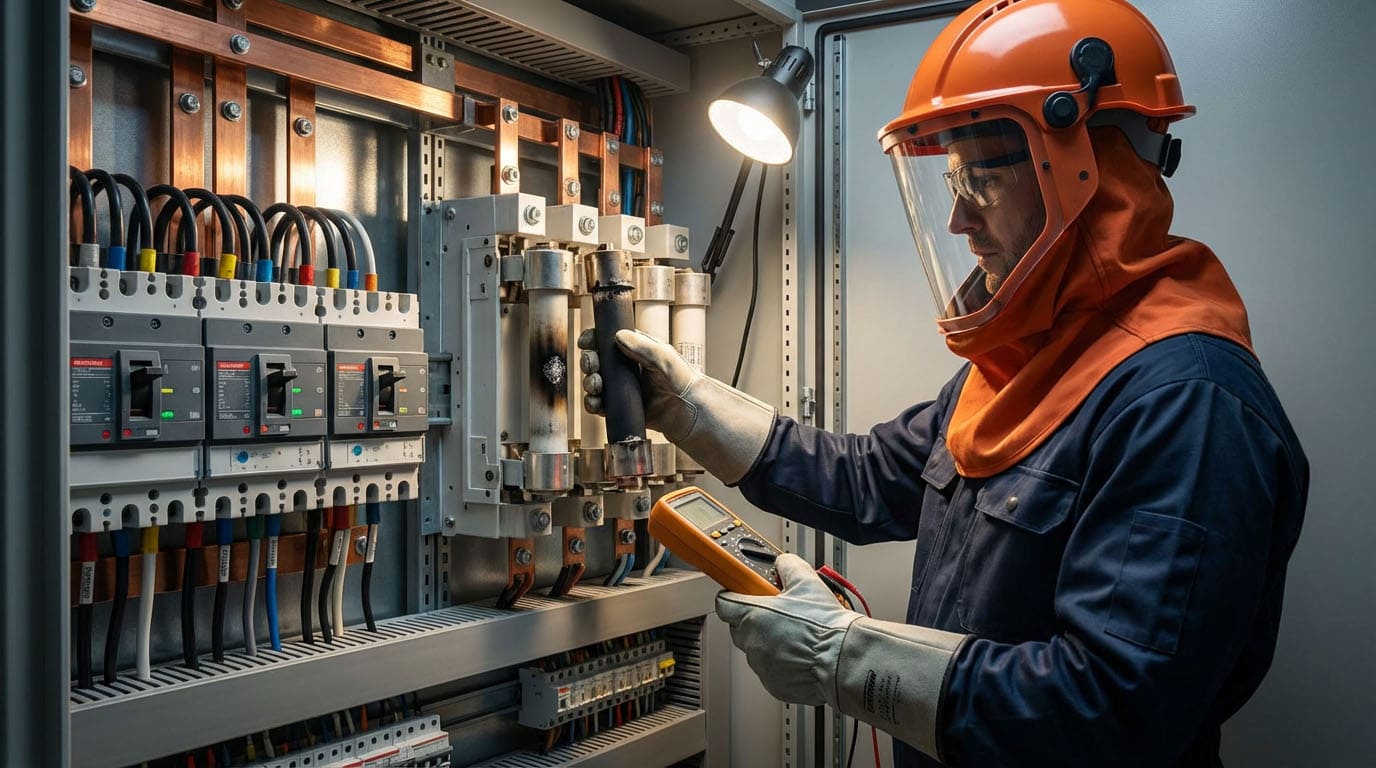
Why forced replacement improves system reliability
When a fuse blows, you cannot simply flip a switch to restore power. You must open the disconnector, inspect the blown fuse, replace it with a correct rating, and close the unit back up. This process takes more time than resetting a breaker, but that delay is valuable. It creates a natural pause where technicians diagnose the fault. I've seen this prevent repeat failures that would have cascaded through a facility.
Fused disconnects also excel in selective coordination strategies. In a power distribution system, you want faults to clear at the lowest possible level. If a motor has an internal short, you want that motor's protection to trip, not the main feeder. Fuses offer precise time-current curves that make this coordination easier to achieve. They provide faster fault clearing at high fault current levels compared to many breakers. This limits damage to cables, busbars, and connected equipment.
Another practical advantage is the higher ampere interrupting capacity3 (AIC) of fused disconnects. Industrial systems with large motors, transformers, and heavy machinery can generate extremely high fault currents. A fused disconnect naturally handles these conditions better because the fuse itself is designed to safely interrupt massive inrush without welding contacts or failing catastrophically. Many NEC applications require this higher interrupting rating, and adding a fused disconnect becomes the most cost-efficient way to meet code.
What are the benefits of using a fuse switch?
Protection alone isn't enough. Modern facilities need devices that also simplify maintenance, reduce downtime, and save space. Multiple functions in one unit makes installation faster and panel design cleaner.
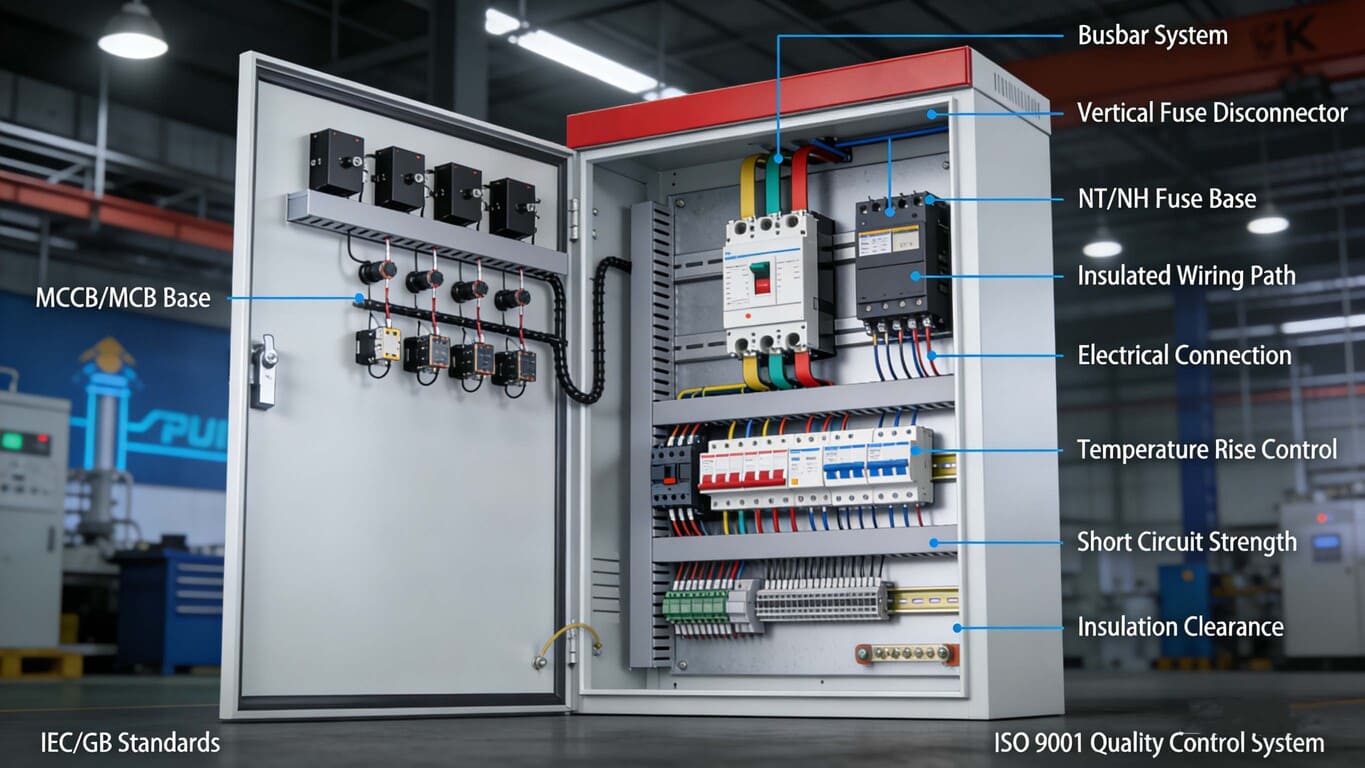
Fuse switch disconnectors combine protection and isolation in a single compact device, reducing panel footprint and wiring complexity. They also provide cost-effective protection with fewer moving parts than circuit breakers, improving long-term reliability.
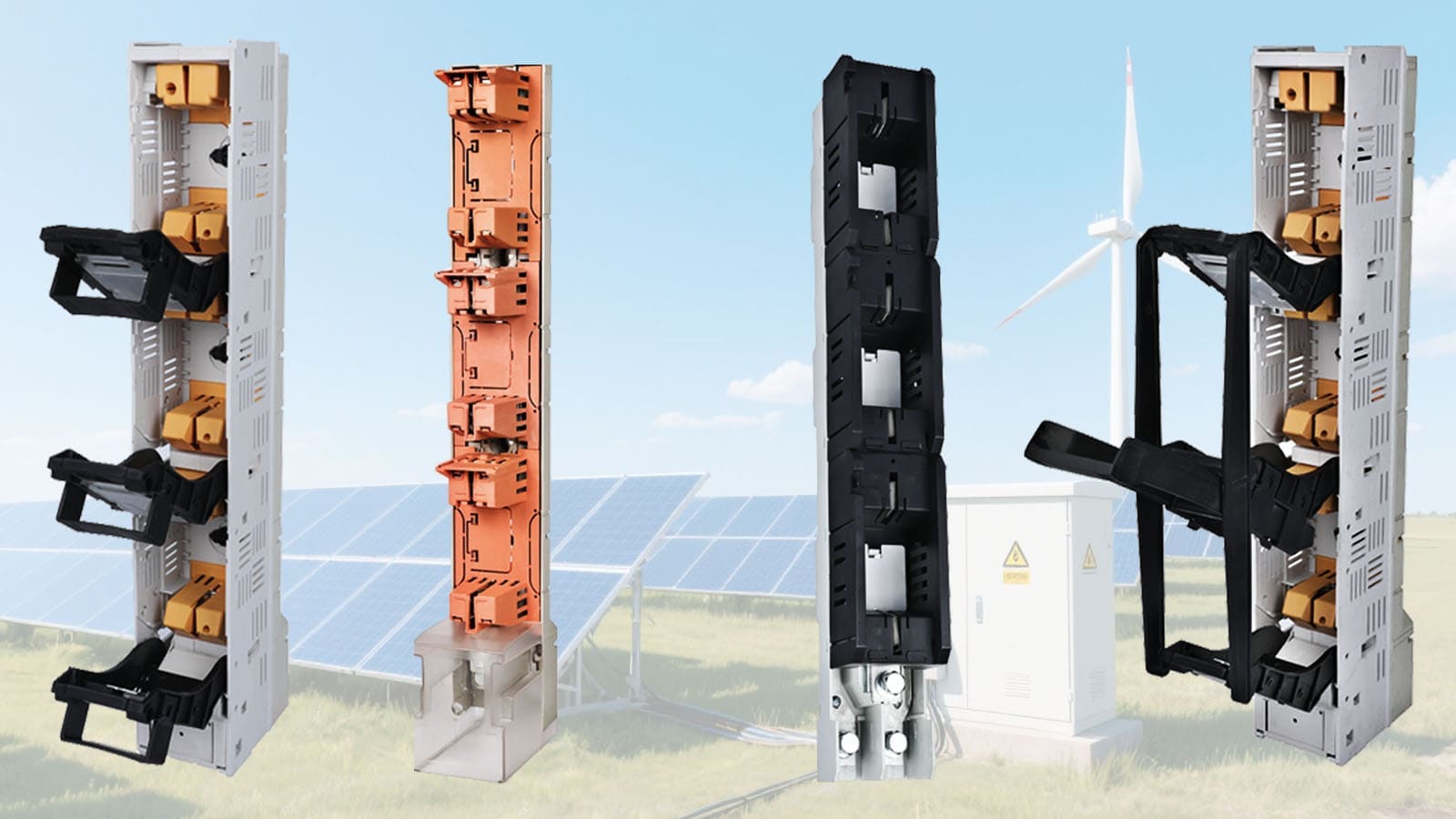
Space and cost advantages in panel design
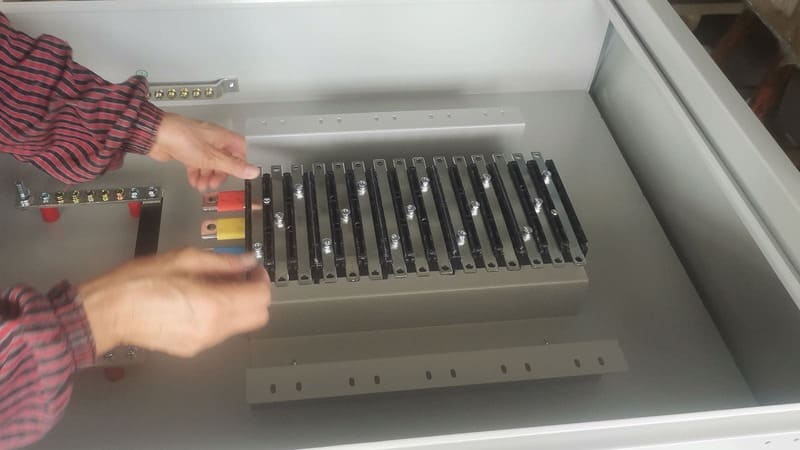
When you integrate a disconnect and fuse holder into one body, you eliminate the need for separate components. This cuts down on panel real estate. In retrofit projects or crowded electrical rooms, this matters. I've worked on projects where we saved entire rows of panel space by switching to fused disconnects. That space can then be used for additional circuits or future expansion.
Cost savings extend beyond the initial purchase price. Fused disconnects have fewer moving parts than thermal-magnetic breakers. There are no bimetallic strips, magnetic coils, or trip mechanisms to wear out. The switch is mechanical, and the fuse is sacrificial. Maintenance becomes simpler: inspect, replace fuse if needed, and you're done. This reduces long-term service costs and improves uptime.
Fused disconnects also allow you to downsize overcurrent protection for specific equipment. Suppose you run a 50-amp feeder to a control panel, but inside that panel, a particular motor only needs 20-amp protection. You can install a fused disconnect with 20-amp fuses right at that motor branch. This tailored protection prevents nuisance trips and ensures equipment gets exactly the protection it needs. It also simplifies compliance with NEC requirements for motor circuits, HVAC systems, and other loads that demand specific fusing.
| Benefit | Technical Advantage | Operational Impact |
|---|---|---|
| Space-saving design | Combines disconnect and protection in one unit | Reduces panel size and simplifies layout |
| Fewer moving parts | No trip coils or bimetallic strips | Lower maintenance cost and higher reliability |
| Higher AIC | Fuses safely interrupt extreme fault currents | Better protection for heavy industrial loads |
| Forced replacement | Cannot reset until fault is diagnosed | Prevents repeat faults and equipment damage |
| Selective coordination | Precise time-current curves isolate faults locally | Minimizes impact on rest of system |
What is the purpose of a fusible disconnect switch in an electrical system?
Safety regulations demand more than just protection devices. Workers need guaranteed de-energization during maintenance. Lockout-tagout procedures require physical isolation that cannot be defeated by accidental contact.
The purpose of a fusible disconnect switch is to provide safe, lockable isolation of electrical equipment combined with reliable overcurrent protection, ensuring both equipment safety and worker safety during operation and maintenance. This dual function satisfies NEC requirements and enables compliance with lockout-tagout standards.
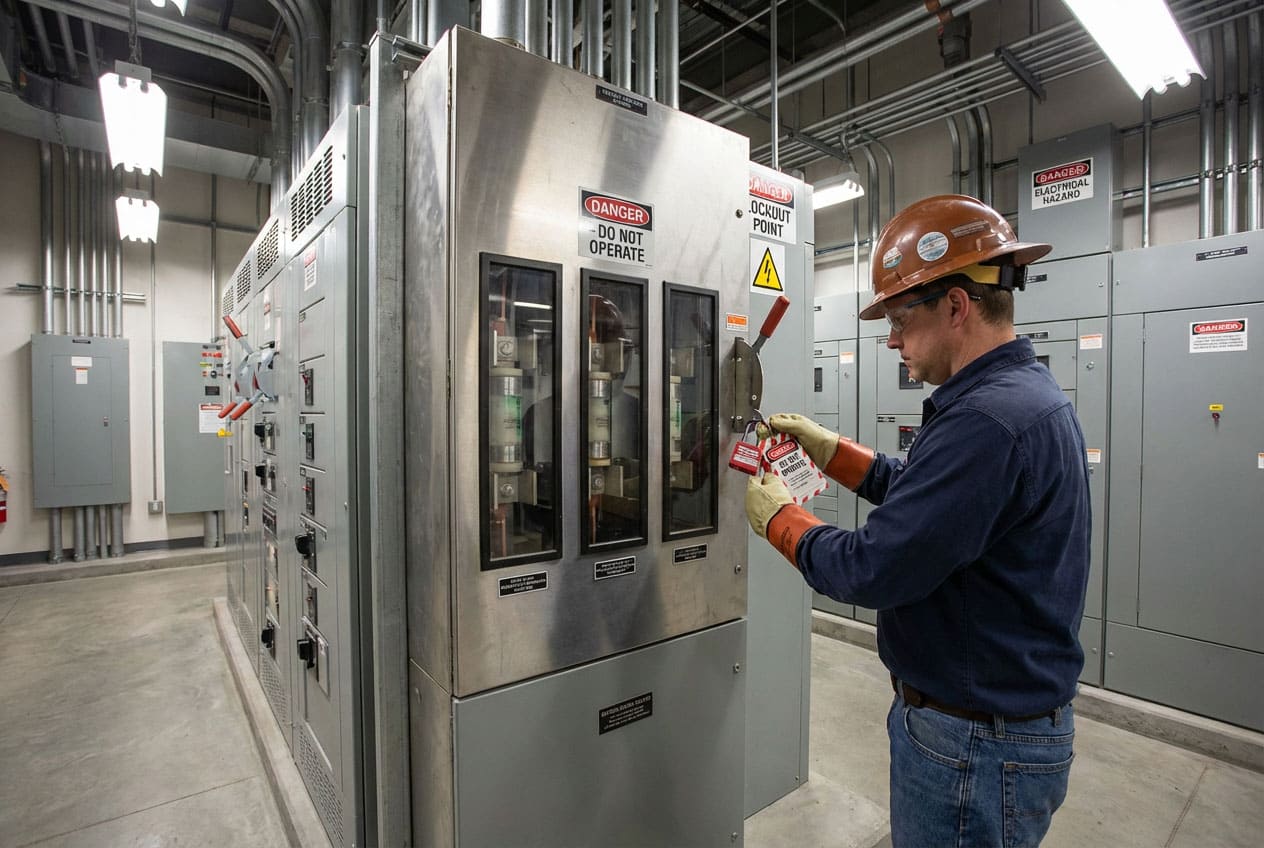
Meeting safety standards and lockout requirements
Electrical safety standards like NFPA 70E require that circuits be de-energized and physically isolated before work begins. A fusible disconnect meets this requirement with a visible break in the circuit and a lockable switch handle. When locked out, the switch cannot be turned back on accidentally. This protects technicians from shock and arc flash hazards.
In industrial environments, I've seen the importance of this firsthand. Motors, HVAC systems, pumps, compressors, and control panels all need periodic service. A fusible disconnect mounted near each piece of equipment allows technicians to isolate that equipment without shutting down entire panels. This localized isolation keeps the rest of the facility running while maintenance proceeds safely. It also reduces coordination headaches and improves uptime.
Fusible disconnects also protect against backfeed and voltage spikes that can damage control electronics. In control panels, sensitive PLCs, VFDs, and instrumentation can be destroyed by transient overvoltages. A properly rated fuse catches these events before they propagate downstream. The disconnect switch then allows safe access to the panel interior for modifications, upgrades, or troubleshooting.
For lighting circuits, street lighting, and warehouse distribution, fused disconnects protect long circuit runs while providing safe, de-energized access for luminaire maintenance. These applications benefit from both the overcurrent protection and the ability to isolate specific lighting zones without affecting others.
Conclusion
Fuse switch disconnectors deliver predictable fault clearing, clear visual isolation, and safe localized control. They combine protection and disconnect functions in one reliable device, improving both safety and uptime in modern facilities.
-
Explore this link to understand the essential role of fuse switch disconnectors in enhancing safety and reliability in power distribution. ↩
-
Discover the significance of lockable isolation in preventing accidents during electrical maintenance. ↩
-
Learn about ampere interrupting capacity to ensure your electrical systems can handle fault conditions. ↩