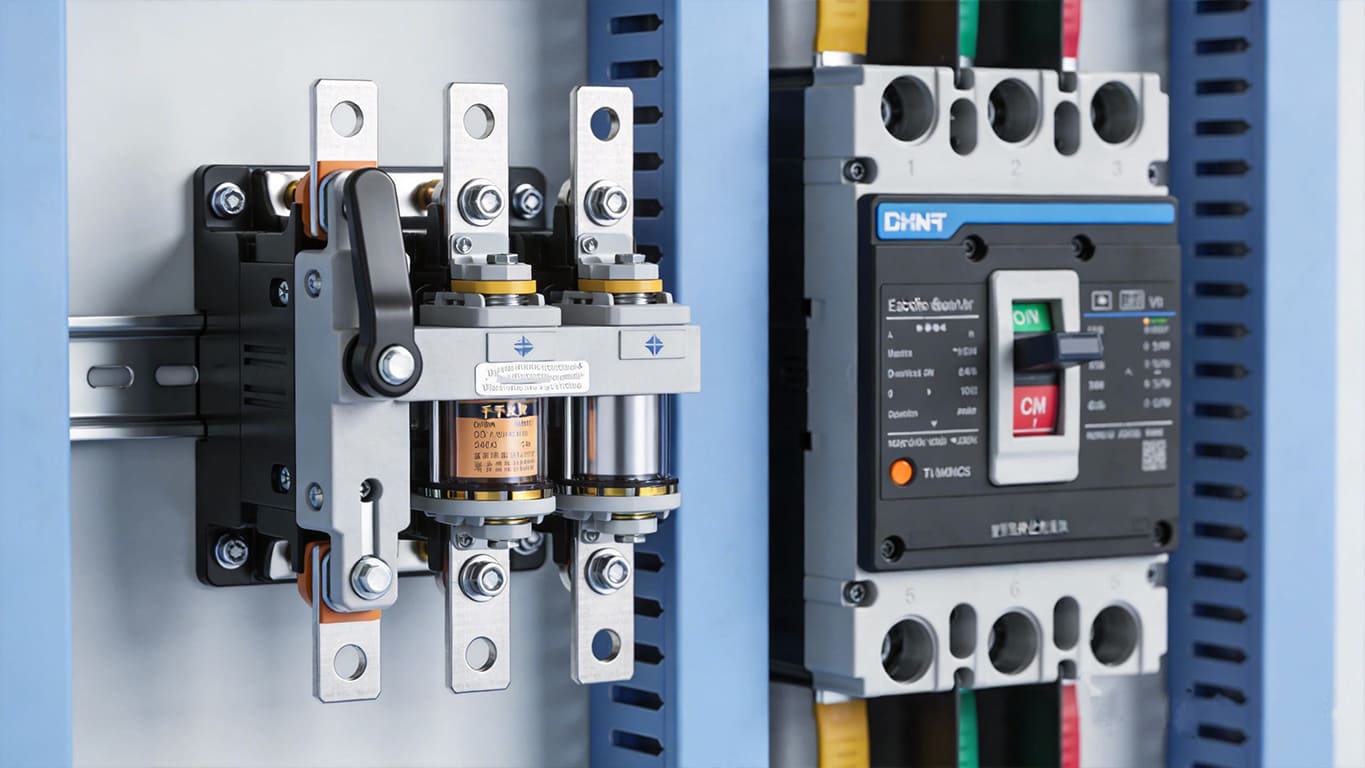
I see that most buyers do not pair distribution panels and distribution boxes just to get a lower price. They worry more about project risk, on-site mistakes, and future changes.
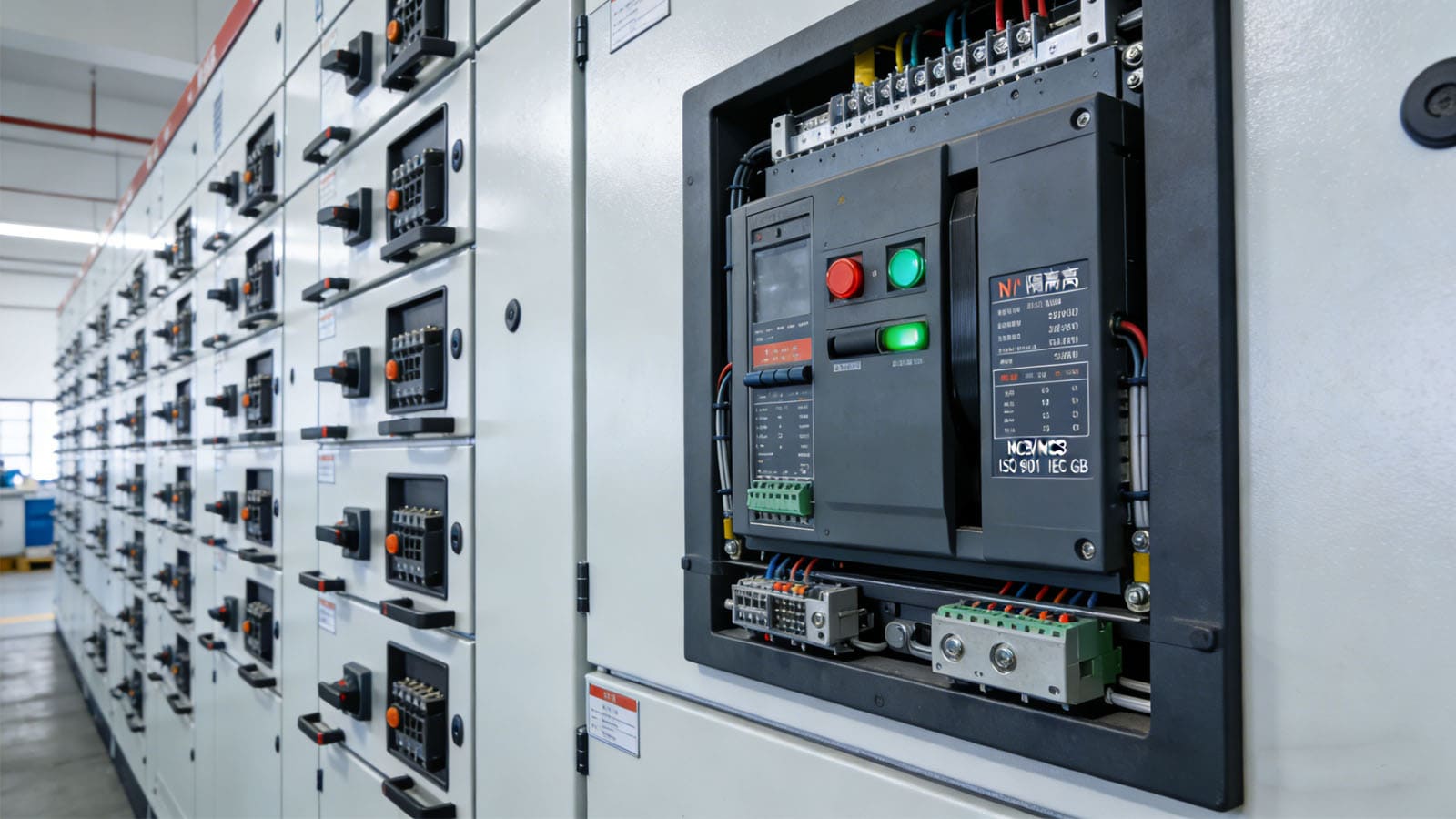
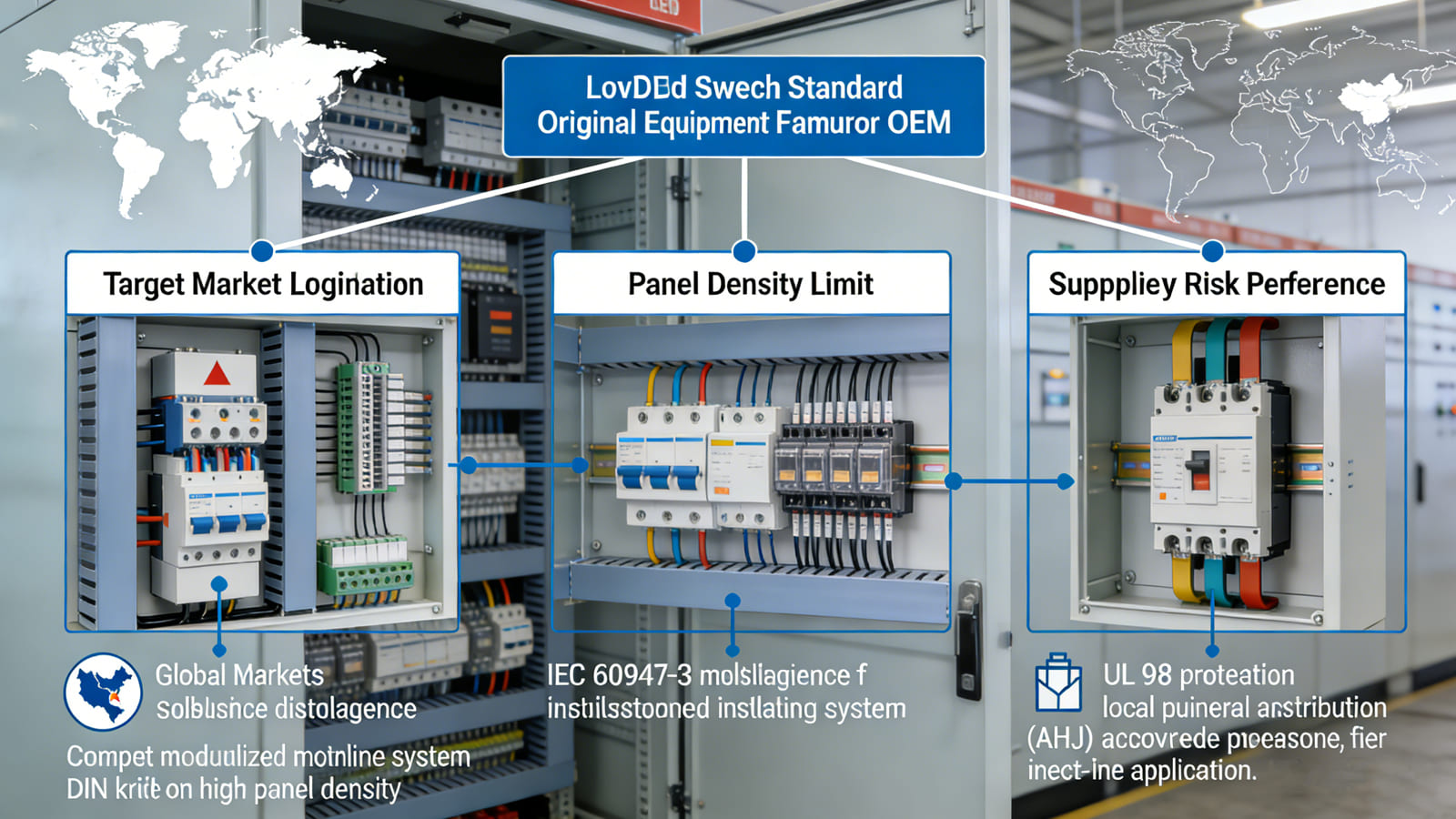
Buyers often purchase distribution panels1 and distribution boxes2 together to reduce wiring mistakes, standardize layouts, control project risks, and keep future modification costs low, while ensuring easy expansion and consistent quality across multiple sites or projects.
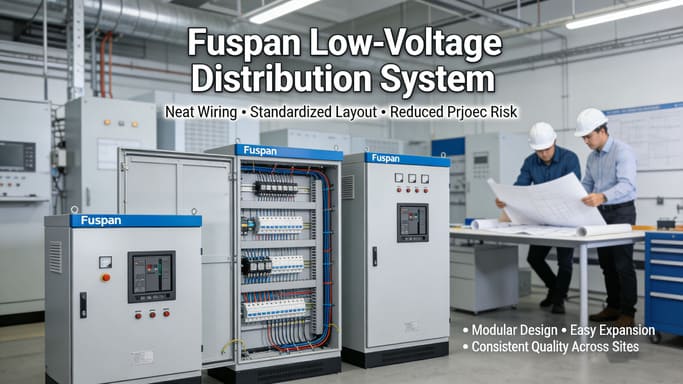
When I talk with project engineers, I hear the same concern again and again. They want simple installation, clear structure, and easy future changes. A single box or panel rarely solves that. A matched set does. So I started to look at the whole system, not just single parts. That is where the real value appears.
MCCB Pan Assembly in Distribution Box?
I often see projects where the distribution box looks fine on paper, but the on-site wiring turns into a mess. The cause is usually a loose layout and too many decisions left to electricians.
An MCCB pan assembly3 inside a distribution box gives a pre-defined, standardized layout for molded case circuit breakers. This reduces wiring errors, speeds up installation, and makes inspection and later upgrades much easier across different projects or sites.
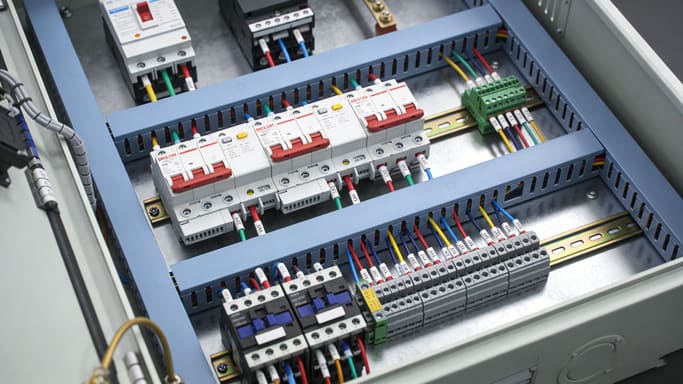
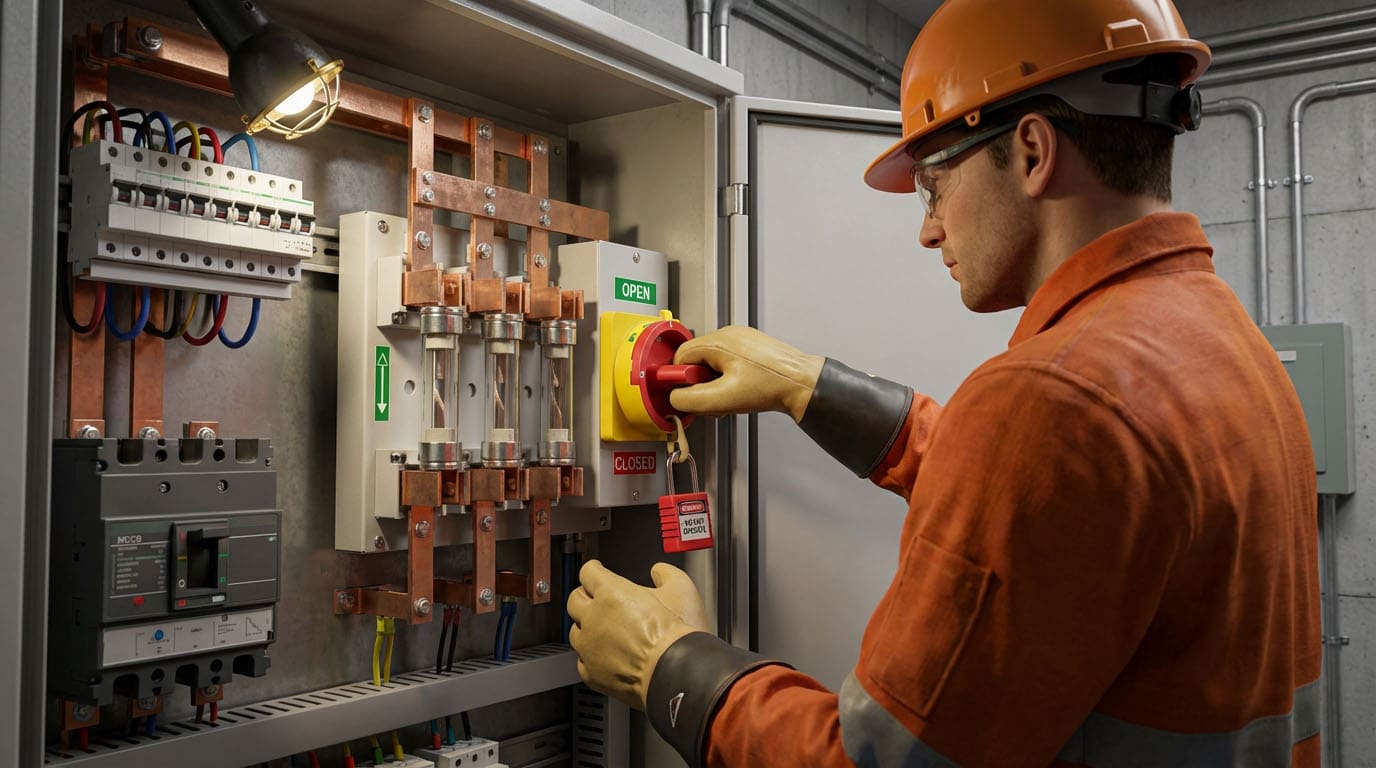
When I design or supply a distribution box with an MCCB pan assembly, I start from risk, not from parts. I ask how many hands will touch this box on-site, and how many of them think differently. If each installer makes layout choices, then every panel becomes unique. This feels flexible at first, but it creates chaos in maintenance. With an integrated pan assembly, I lock the critical layout before the box reaches the site. The installer then only connects incoming and outgoing cables on clear points.
What does an MCCB pan assembly actually do?
| Item | Explanation in practice |
|---|---|
| Mounting base | Holds MCCBs in fixed positions, keeps alignment and spacing correct |
| Pre-defined connection | Sets how breakers link to incoming and outgoing circuits |
| Label and spacing | Makes circuits easy to identify and safer to operate |
| Mechanical strength | Keeps MCCBs stable during switching and short-circuit events |
| Standard layout | Lets different panels share the same “logic” across multiple sites |
When I use a pan assembly, I can repeat the same internal design many times. I can train installers once. I can prepare standard drawings and documents. When clients need changes later, I can still keep the same base layout and only add or swap a few breakers. This balance between structure and flexibility is one of the main reasons they choose to buy distribution panels and boxes together, already matched to the project logic.
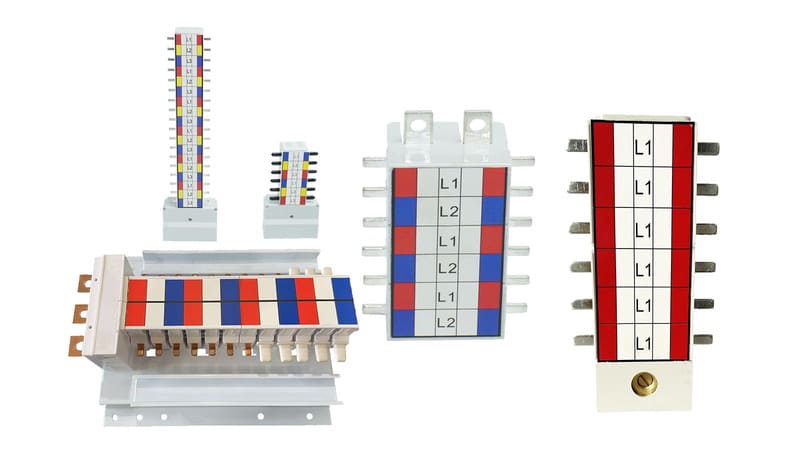
MCCB Pan Assembly and Busbar for Distribution Box?
I meet many engineers who worry about cable clutter and hot spots in their distribution boxes. They see that panel failures often start at cable joints or improvised links.
Combining an MCCB pan assembly with a matched busbar system4 in a distribution box gives a compact, low-resistance, and repeatable power path, which improves safety, reduces heat, and simplifies future expansion.
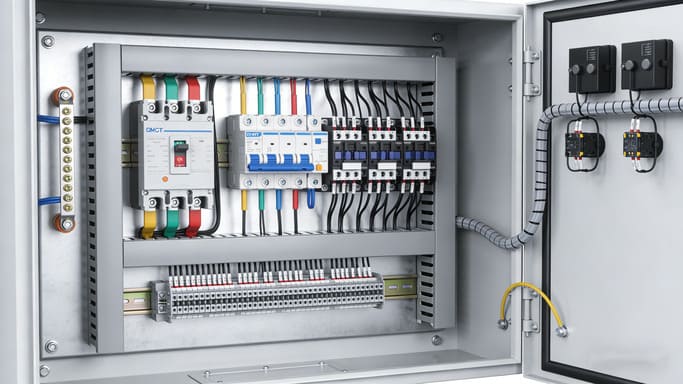
When I use only cables to link MCCBs, I watch installers bend, twist, and adjust each wire on-site. Every change adds variation. Every variation adds risk. With a busbar system, I replace many small decisions with one clear design. I match busbar size, shape, and hole pattern with the MCCB pan assembly. This lets me control current paths and clearances in the factory, not in a hot electrical room.
Why pair busbars with MCCB pan assemblies?
| Aspect | Cable-only approach | Pan + busbar approach |
|---|---|---|
| Layout | Depends on each installer’s style | Fixed, repeatable, and tested in advance |
| Contact points | Many lugs and terminations | Fewer joints, more rigid connections |
| Heat performance | Varies by bending radius and contact quality | Stable current paths, easier to size for load |
| Expansion | Hard to predict space and routing for extra circuits | Pre-arranged busbar slots or tapping points |
| Quality control | Hard to inspect each joint | Clear visual layout, easier testing before shipment |
I learned that busbars are not only for high current systems. Even in low-voltage distribution boxes, a simple busbar plus MCCB pan assembly can avoid a lot of rework. For example, one customer needed to add two more outgoing circuits in a solar combiner project. Because we had used a modular busbar with clear tapping points, their team only added two MCCBs and the proper connectors. No cutting of cables, no big redesign. This shows why people like to purchase the distribution panel and the box together: they know the internal structure and busbar are already matched to their project’s growing needs.
Din Rail Pan Assembly for MCCB: Everything You Need to Know?
I sometimes hear that DIN rail is only for MCBs or control devices, not for MCCBs. Many buyers do not know that DIN-based pan assemblies can also support compact MCCB layouts.
A DIN rail pan assembly for MCCB combines the flexibility of DIN rail mounting with the strength and spacing needed for molded case breakers, which allows modular upgrades and easy mixing with MCBs or control devices.
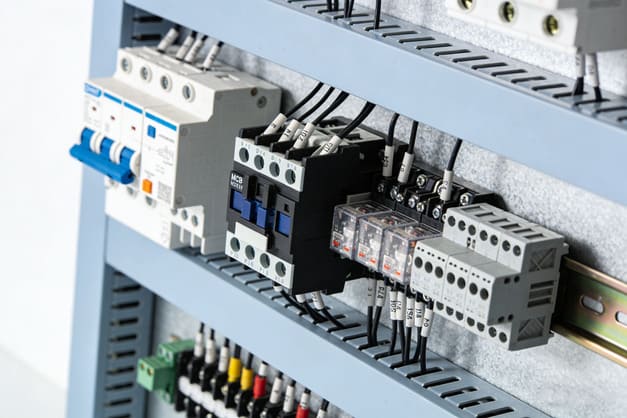
When I use DIN rail pan assemblies, I feel I gain a “universal language” inside the box. I can mount MCCBs, MCBs, surge protectors, and control units in one coherent frame. This makes the distribution panel behave more like a platform. When a client changes brands, adds new functions, or moves between projects, I can often keep the same base DIN layout. This is why many of them ask for panels and distribution boxes as a package. They want the same “grammar” of DIN rail and spacing across all their projects.
How does a DIN rail pan assembly help MCCB-based systems?
| Feature | Practical benefit in the field |
|---|---|
| Shared DIN rail structure | Lets MCCBs sit with MCBs, relays, and meters in one layout |
| Modular slots | Allows simple addition or removal of devices over time |
| Brand flexibility | Supports multiple breaker brands with standard rail spacing |
| Panel standardization | Keeps internal structure similar across different box sizes |
| Future control upgrades | Leaves room for later communication or monitoring devices |
I used this approach in a factory retrofit where space was very tight. The client wanted room for extra monitoring modules in the future, but did not want a larger enclosure. By using a DIN rail pan assembly that could hold both MCCBs and smaller devices, I left a clear expansion zone inside the same box. When the client later added energy meters, we did not change the box size or drill new holes. This kind of flexible but still organized layout only works well if the panel and distribution box come as a planned set.
Conclusion
I see that buying distribution panels and distribution boxes together is not about chasing price. It is about standard layouts, fewer mistakes, and easier changes across the whole project life.
-
Explore how distribution panels enhance safety and efficiency in electrical installations. ↩
-
Learn about the critical role distribution boxes play in managing electrical circuits. ↩
-
Discover how MCCB pan assemblies improve wiring efficiency and safety. ↩
-
Learn how busbar systems enhance safety and efficiency in wiring. ↩