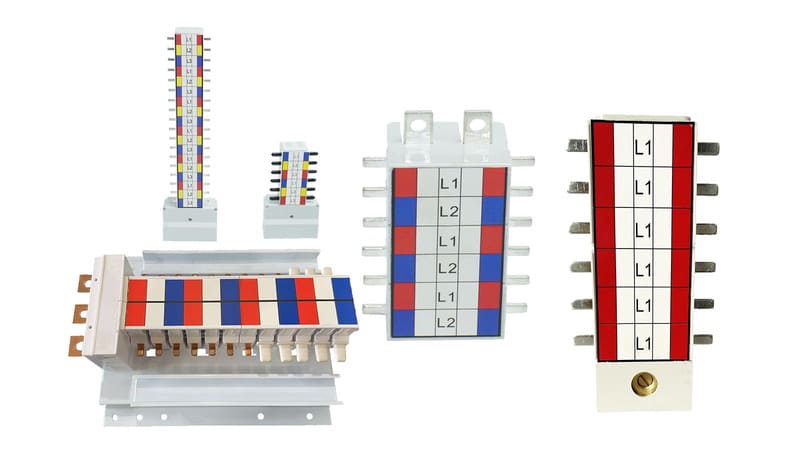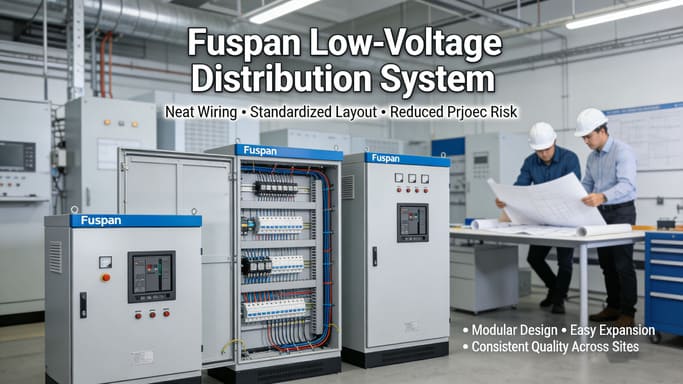
Data center operators face a critical problem: standard switchgear solutions often fail to address unique power distribution needs1, causing costly downtime and operational inefficiencies. This growing challenge threatens both business continuity and expansion plans.
The ideal custom switchgear solution for large data centers balances technical specifications, scalability, and long-term serviceability. It should incorporate modular designs2, predictive monitoring capabilities3, and vendor support systems4 that evolve alongside infrastructure requirements while minimizing operational risks.
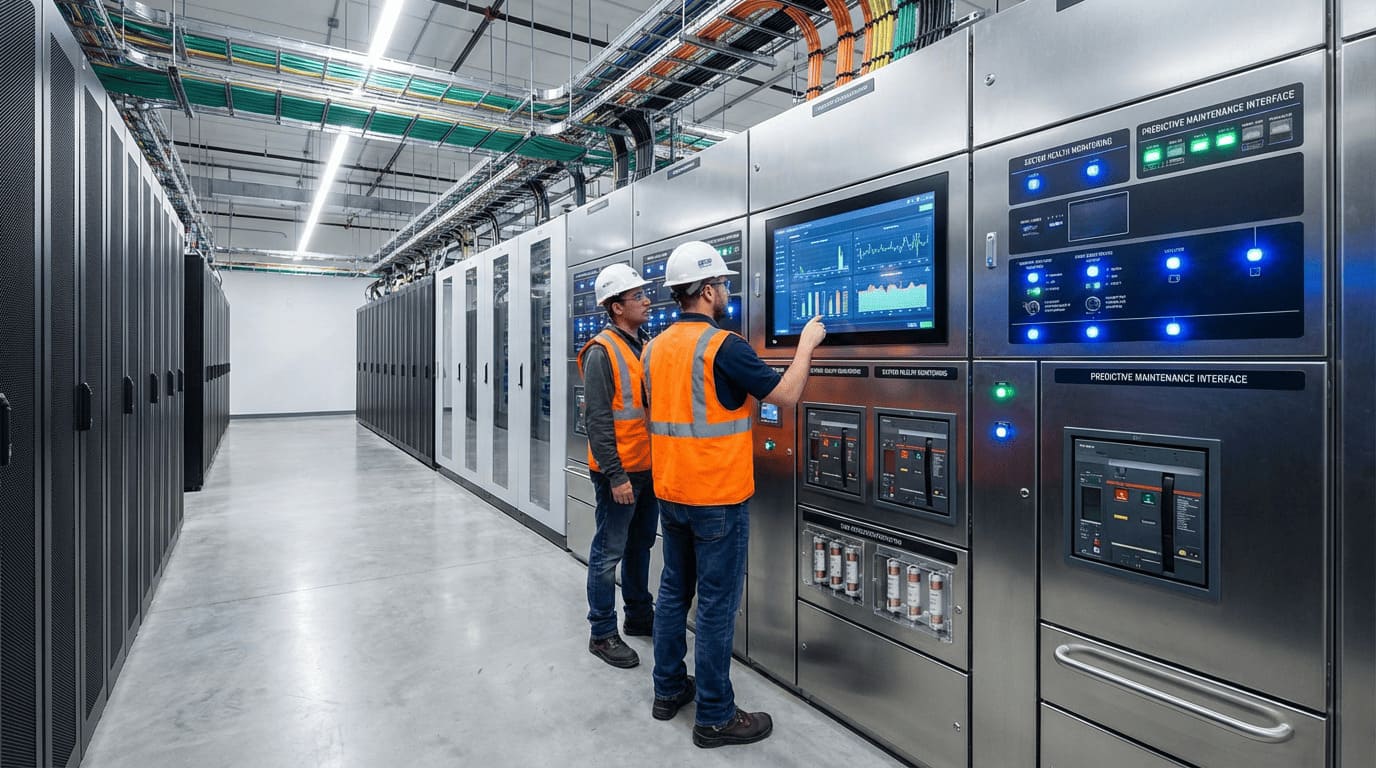
Having worked with hyperscale data center clients for years, I've noticed a pattern. Initial conversations focus heavily on technical specifications and price points, but the real concerns emerge later – operational continuity, vendor dependability, and future-proofing infrastructure. These factors ultimately determine success far more than upfront costs.
What Are the Five Key Considerations for Procuring High-End Custom Switchgear for Data Centers?
Data center operators often struggle with balancing immediate power needs against future expansion requirements. This tension creates significant challenges when specifying switchgear systems that must deliver both reliability and adaptability.
When procuring custom switchgear for data centers, focus on these five key considerations: scalable architecture, predictive maintenance capabilities, vendor engineering expertise, compatibility with existing infrastructure, and documented performance metrics in similar deployments. These factors ensure both immediate reliability and future flexibility.
Diving deeper into these procurement considerations reveals why standard approaches often fall short for large-scale data centers. I've witnessed firsthand how seemingly minor customization decisions become critical differentiators during unexpected scenarios.
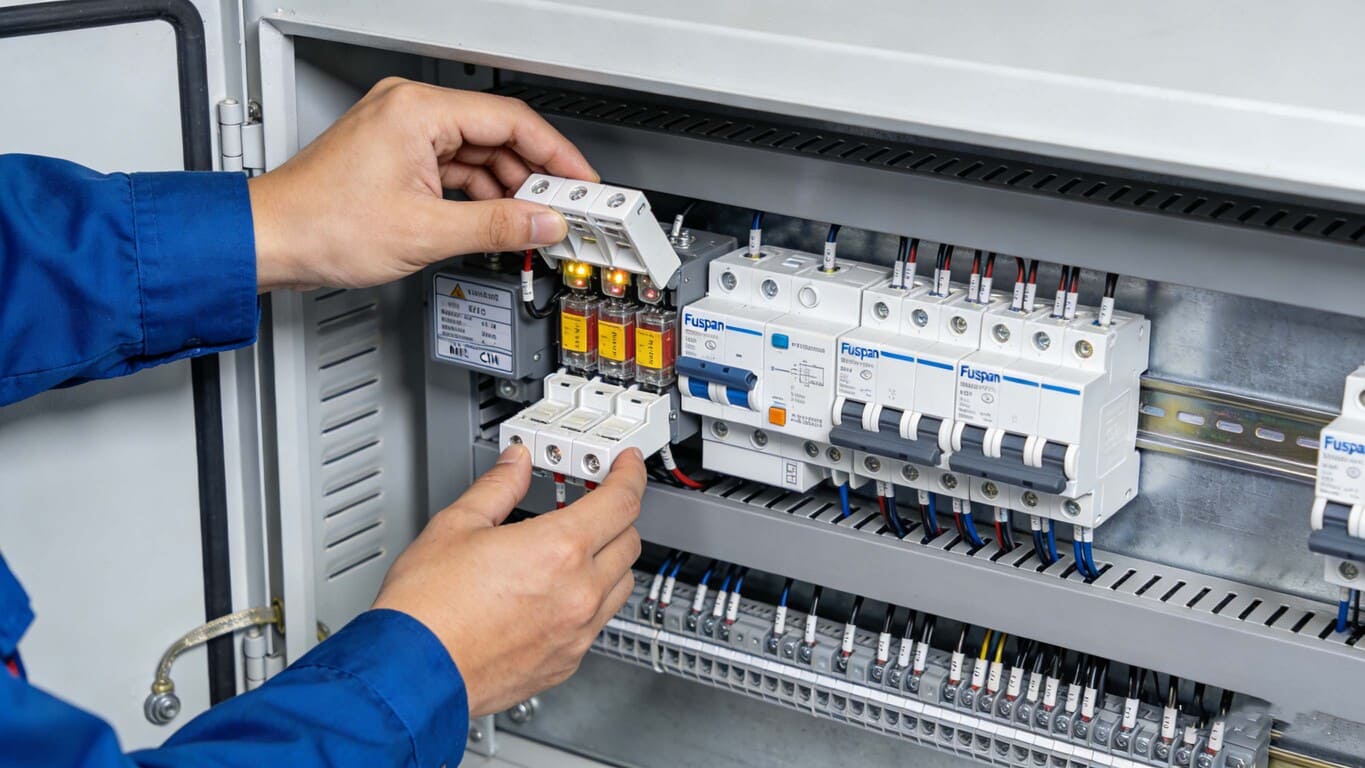
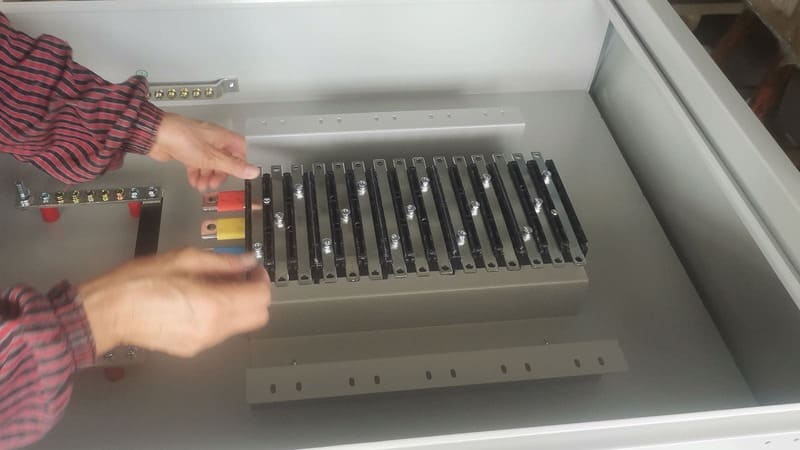
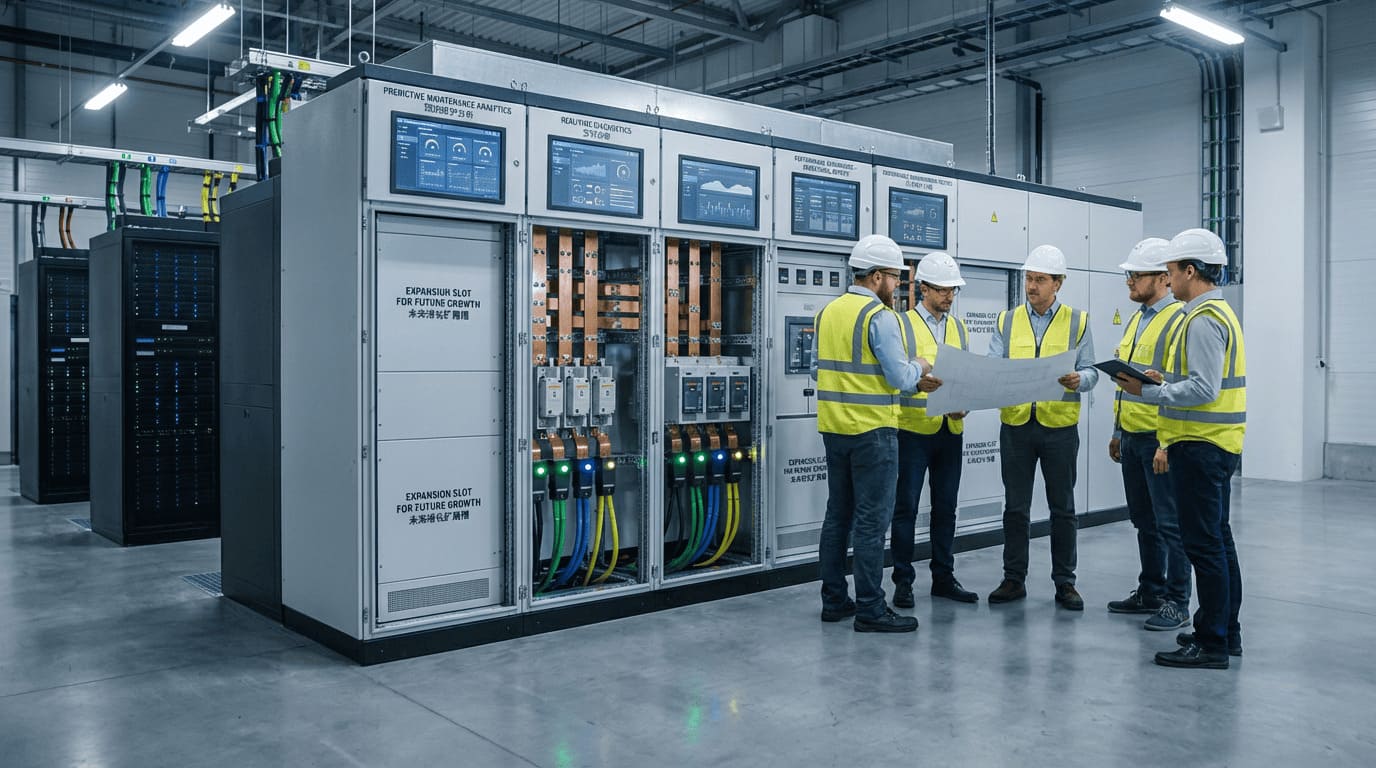
First, scalable architecture isn't just about physical space. It requires modular busbar designs that can be expanded without complete system shutdowns. One client initially resisted our recommendation for sectional busbar architecture, citing higher upfront costs. Six months later, when they needed to add capacity without disrupting operations, this design saved them over 40 hours of potential downtime – representing millions in operational savings.
Second, predictive maintenance capabilities have evolved dramatically. Modern switchgear should incorporate thermal imaging interfaces, vibration monitoring, and remote diagnostics. These features transform maintenance from reactive to predictive, identifying potential failures before they impact operations.
Third, vendor engineering expertise matters more than catalog options. When evaluating partners, assess their ability to provide computational fluid dynamics modeling, arc flash studies, and customized coordination studies. These technical capabilities demonstrate true engineering competence beyond mere manufacturing capacity.
| Consideration | Traditional Approach | Advanced Customization Approach |
|---|---|---|
| Scalability | Fixed configurations | Modular busbar design with hot-swap capabilities |
| Maintenance | Scheduled inspections | Real-time monitoring with predictive analytics |
| Engineering Support | Standard specifications | Tailored solutions with ongoing optimization |
| Compatibility | Brand-specific ecosystems | Vendor-agnostic integration capabilities |
| Performance Validation | Laboratory testing | Documented field performance in similar deployments |
How Does FUSPAN High-End Distribution Cabinets Reduce Operational Risks?
Data center managers face mounting pressure to maintain 100% uptime while simultaneously upgrading infrastructure. This impossible balance creates sleepless nights and constant anxiety about potential power distribution failures.
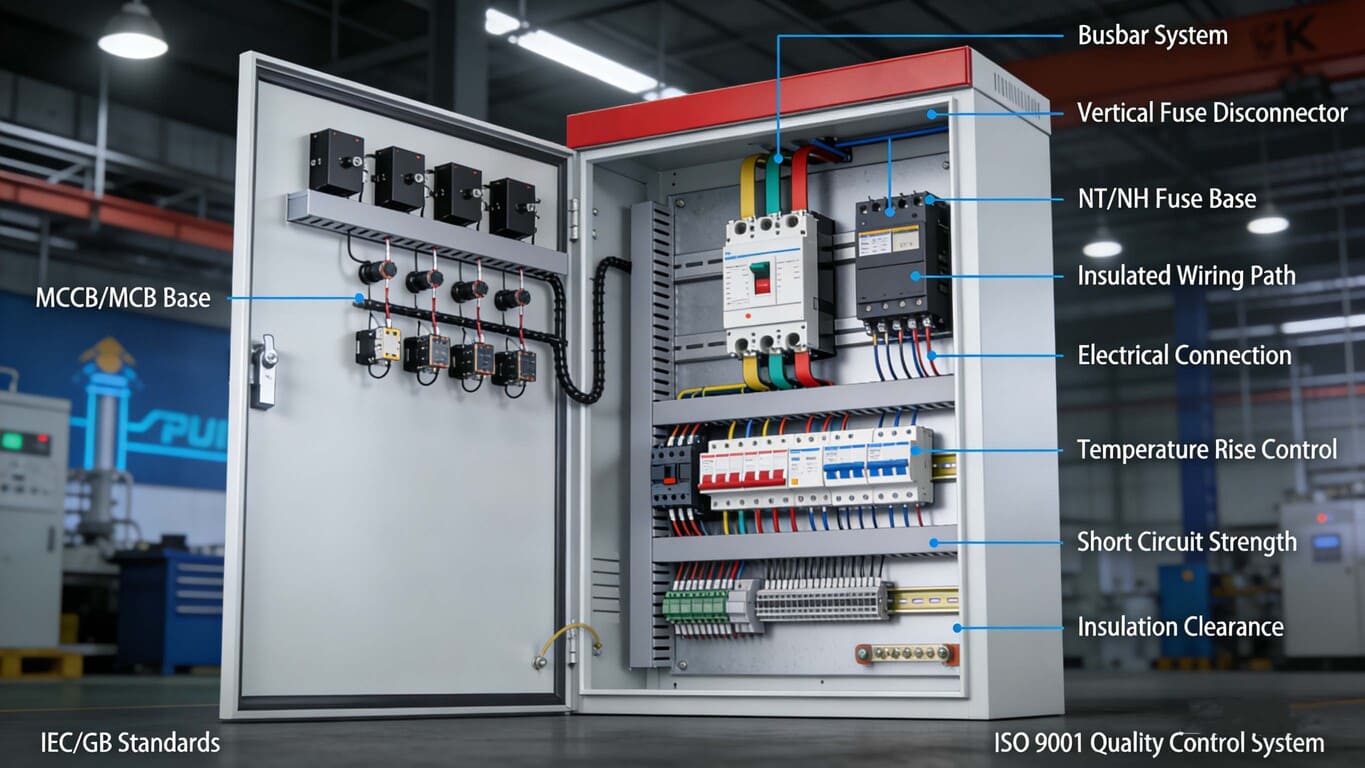
FUSPAN high-end distribution cabinets reduce operational risks through triple-redundancy design, comprehensive field testing protocols, and modular construction that enables component replacement without system shutdown. These features collectively minimize both planned maintenance downtime and unplanned failure risks.

The operational risk reduction built into our cabinet designs stems from both engineering principles and practical field experience. I've observed that theoretical redundancy means little without practical serviceability – our approach addresses both dimensions.
Our triple-redundancy design philosophy extends beyond just duplicating components. We implement diverse redundancy paths that utilize different technologies and failure modes. For example, our premium cabinets incorporate both digital and analog trip mechanisms, ensuring protection remains active even if one system type experiences failure.
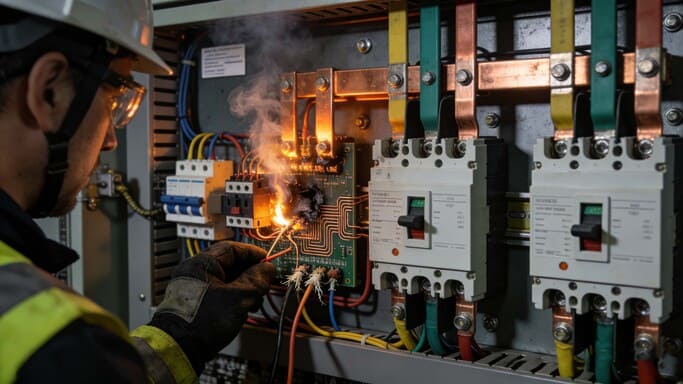
Comprehensive field testing represents another critical risk reduction strategy. Each FUSPAN cabinet undergoes 100% testing before shipment, but we go beyond standard protocols. We simulate extreme operating conditions, including thermal cycling, vibration tolerance, and fault condition responses. These rigorous tests identify potential weaknesses that standard testing might miss.
The modular construction methodology we've developed allows unprecedented serviceability. Traditional switchgear often requires complete shutdown for component replacement. Our modular approach enables hot-swapping of key components in many scenarios, dramatically reducing planned maintenance windows.
Risk Mitigation Through Design Features
One client's experience particularly demonstrates these benefits. Their facility experienced a partial power anomaly that would typically require complete shutdown for investigation. With our sectioned cabinet design, they isolated the affected zone while maintaining operations in other areas – preventing what would have been a critical business disruption.
What Makes One-Stop Customization Essential for Worry-Free Data Center Cabinet Use?
Data center operators regularly encounter fragmented supplier ecosystems that create coordination nightmares, compatibility issues, and delayed problem resolution. These divisions cause unnecessary complexity and increase the risk of catastrophic failures.
One-stop customization consolidates engineering, manufacturing, testing and support under a single responsible partner. This integrated approach eliminates compatibility problems, streamlines communication, and provides clear accountability throughout the switchgear lifecycle, ensuring worry-free operation.

The true value of one-stop customization becomes apparent when examining the alternative. I recently consulted with a data center that had assembled their switchgear from multiple vendors. When they experienced an intermittent fault, the troubleshooting process devolved into finger-pointing between suppliers, extending downtime by days while they determined responsibility.
Our integrated approach eliminates these scenarios through several key mechanisms. First, we maintain complete engineering control from concept through implementation. This means design decisions incorporate manufacturing realities from the beginning, preventing the "impossible to build" specifications that plague fragmented projects.
Second, our testing protocols examine complete systems rather than isolated components. This holistic approach identifies integration issues that component-level testing cannot reveal. One client's previous supplier had separately tested circuit breakers and busbars, both meeting specifications individually. However, under certain load conditions, harmonic resonance between components created overheating that neither individual test could predict.
Third, documentation and support follow a unified framework. When operational questions arise, our clients access a single knowledge base and support team rather than navigating multiple supplier relationships. This consolidation typically reduces problem resolution time by 60-70% compared to multi-vendor solutions.
Benefits of Unified Responsibility
| Aspect | Multi-Vendor Approach | One-Stop Customization |
|---|---|---|
| Design Compatibility | Requires extensive coordination | Inherently compatible components |
| Testing | Component-level verification | System-level validation |
| Documentation | Fragmented across suppliers | Unified and comprehensive |
| Problem Resolution | Sequential troubleshooting | Direct accountability |
| Future Modifications | Requires multi-party approval | Streamlined change management |
How Do B2B Buyers Evaluate High-End Switchgear Solutions?
Procurement teams struggle to balance competing priorities when evaluating switchgear options. Technical requirements, budgetary constraints, and long-term reliability concerns create complicated decision matrices without clear winners.
Effective B2B switchgear evaluation involves four key dimensions: total cost of ownership analysis, technical specification alignment, supplier capability assessment, and reference installation verification. Leading organizations prioritize these criteria over initial purchase price to ensure optimal long-term performance.

The evaluation methodologies I've observed among sophisticated B2B buyers reveal interesting patterns that less experienced buyers often miss. The most successful organizations have fundamentally shifted from product-focused to partnership-focused evaluation criteria.
Total cost of ownership (TCO) analysis has evolved significantly beyond simple maintenance projections. Leading organizations now incorporate operational impact costs, including projected downtime scenarios, energy efficiency differentials, and retrofit requirements. One client developed a comprehensive TCO calculator that specifically weighted power distribution reliability against their SLA penalties – revealing that premium switchgear delivered 27% better lifetime value despite 15% higher upfront costs.
Technical specification alignment requires sophisticated gap analysis. Rather than simple checklist compliance, effective evaluations examine how specifications address specific operational requirements. This includes examining not just what specifications are met, but how they're achieved and verified. For example, identical IP55 ratings may be achieved through different sealing methodologies, some more durable than others under actual field conditions.
Supplier capability assessment has become increasingly important as organizations recognize the long-term relationship implications. Forward-thinking buyers evaluate engineering depth, manufacturing capacity, quality control systems, and financial stability. These factors predict a supplier's ability to provide ongoing support and product evolution far better than current product features alone.
Reference installation verification provides real-world validation beyond specification claims. Sophisticated buyers don't just check references – they develop detailed questionnaires addressing specific operational scenarios and long-term performance metrics. This approach uncovers subtle performance differences that laboratory testing often misses.
Evolution of Evaluation Criteria
The most significant shift I've observed is buyers increasingly prioritizing evidence of operational risk reduction over feature comparisons. This reflects growing recognition that switchgear reliability impacts total business continuity, not just electrical distribution systems.
Conclusion
Custom switchgear solutions for data centers must balance technical specifications with operational continuity concerns. By focusing on scalable architecture, predictive maintenance, integrated responsibility, and comprehensive evaluation criteria, data center operators can achieve both reliability and adaptability for their critical power infrastructure.
-
Understanding these needs can help optimize data center operations and reduce downtime. ↩
-
Learn how modular designs can improve scalability and flexibility in data center infrastructure. ↩
-
Discover how predictive monitoring can prevent failures and ensure continuous operations. ↩
-
Explore how robust vendor support can minimize risks and enhance serviceability. ↩