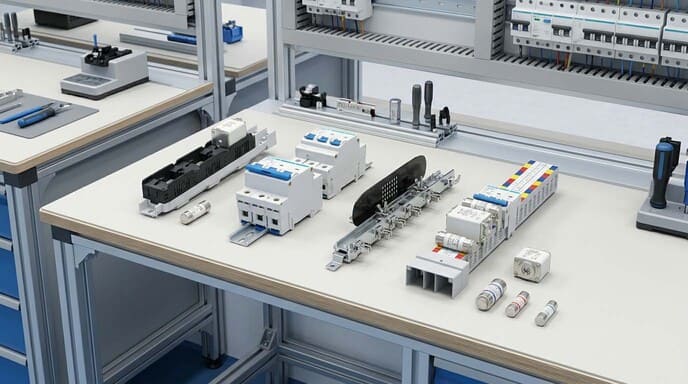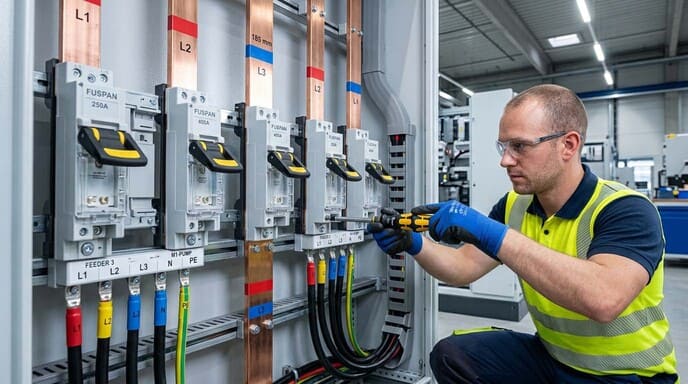
You walk through a distribution room and see rows of equipment humming with power. Somewhere in that lineup is a fuse switch disconnector1 quietly doing three jobs at once: isolating circuits, switching loads, and protecting against overloads. But when something goes wrong, you realize how critical that one box really is.
Choosing a fuse switch disconnector means matching voltage and current ratings to your system, coordinating fuses with downstream protection devices, and selecting features like modular design, IP ratings, and visible isolation indicators that support safe maintenance and long-term reliability in industrial and energy storage environments.
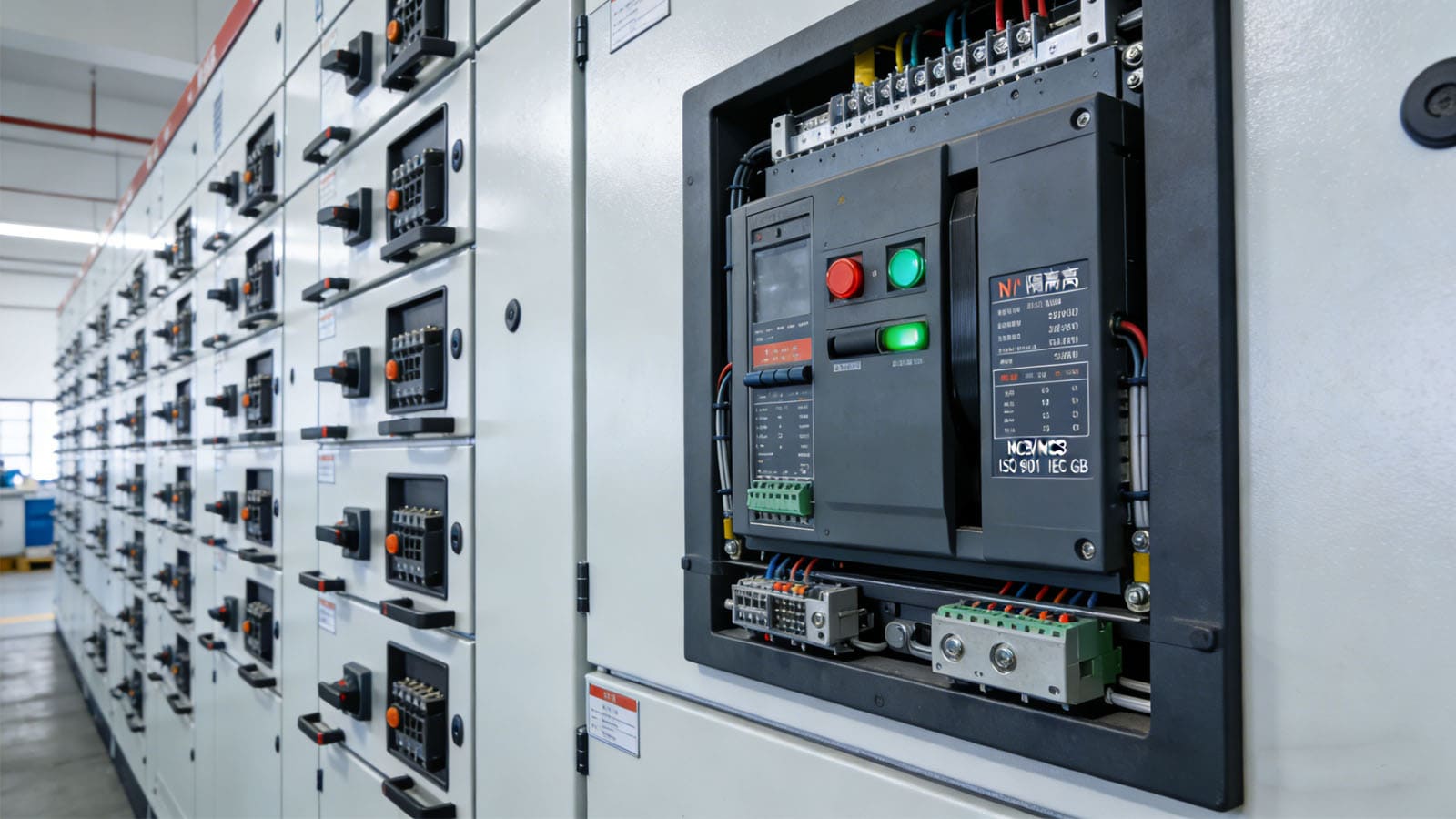
I see clients struggle with selection every week. They focus on headline specs but miss the details that cause downtime six months later. The right disconnector protects your equipment, keeps your crew safe during maintenance, and stays reliable when your plant runs 24/7 or your energy storage system cycles thousands of times.
Common Mistakes When Choosing a Fuse Switch Disconnector?
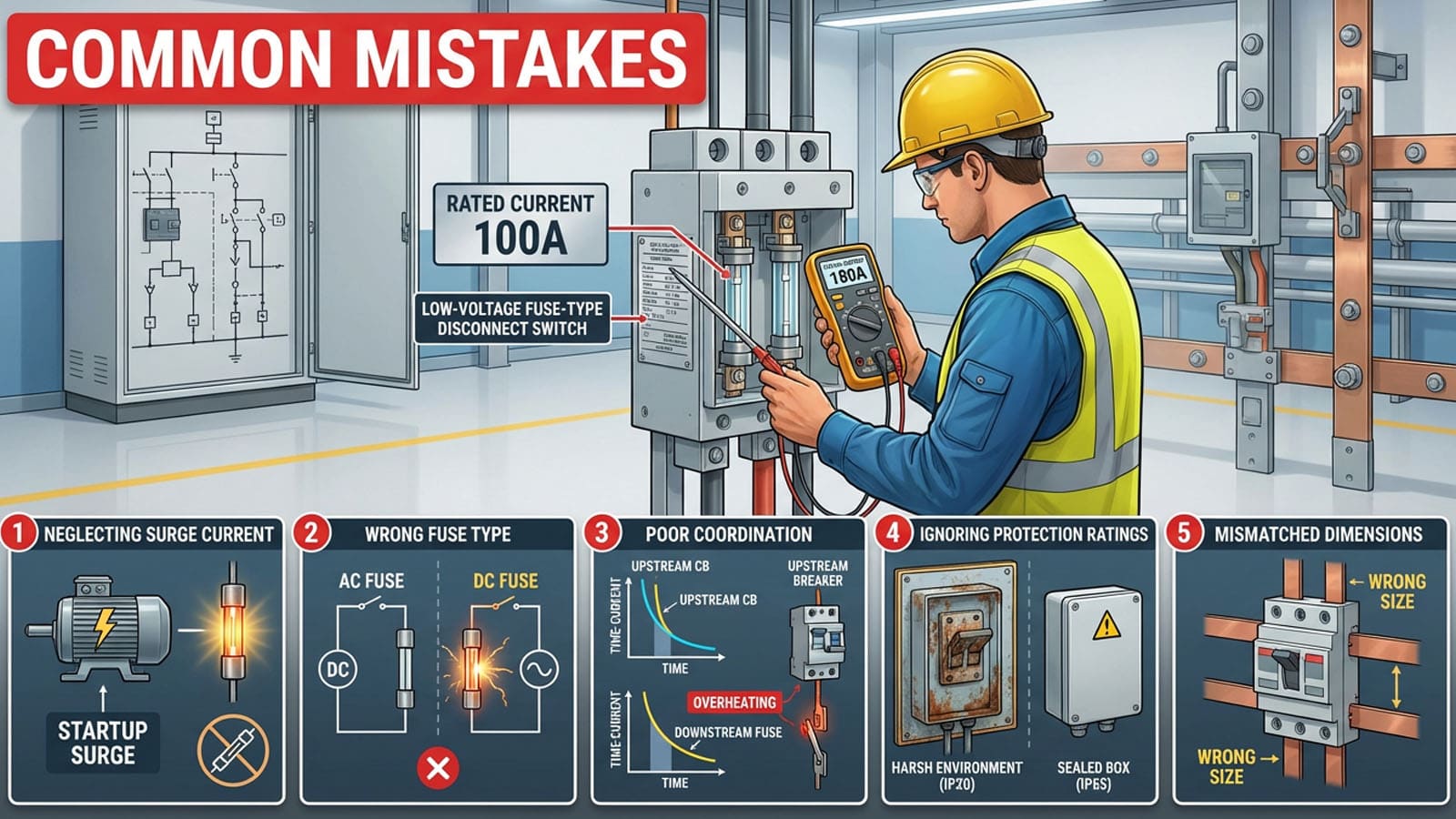
I have seen engineers order disconnectors based only on the nameplate amperage. They match the rated current to the load and call it done. Then three months later the contacts overheat or the fuse blows on motor startup because nobody accounted for inrush current2.
The most common mistakes include ignoring inrush current, selecting the wrong fuse type for the application, overlooking coordination with upstream and downstream protection, neglecting environmental IP ratings3 for harsh conditions, and assuming all brands have the same mechanical endurance or installation footprint.
Why Coordination and Inrush Matter More Than You Think
Many clients treat the disconnector as a standalone box. They do not check whether the fuse curve coordinates with the upstream transformer fuse or the downstream motor starter. When a fault happens, both devices trip and you lose an entire section instead of isolating the problem. Coordination means the downstream fuse clears first so upstream feeders stay live. You need manufacturer time-current curves and selectivity guides to verify this, especially in systems with motors or transformers that pull six times full-load current during startup. I always recommend selecting slow-speed or time-delay fuses for high-inrush loads and fast-acting fuses for sensitive electronics. The second trap is environmental protection. A client once installed standard IP20 enclosures in an outdoor solar farm. Dust and moisture entered the enclosure within weeks, corroded the contacts, and caused thermal runaway. IP65 or IP66 ratings are essential for outdoor or dusty industrial sites, and you should verify UV resistance if the disconnector sits under direct sun. The third mistake is mechanical endurance. Not all disconnectors are built for frequent switching. Motor control applications cycle the switch hundreds of times per month, so you need a unit designed for high mechanical endurance according to IEC 60947-34. Choosing a low-cycle isolator for this duty leads to worn contacts and poor isolation within a year.
How to Choose Fuse Switch Disconnectors for Industrial Power Distribution?
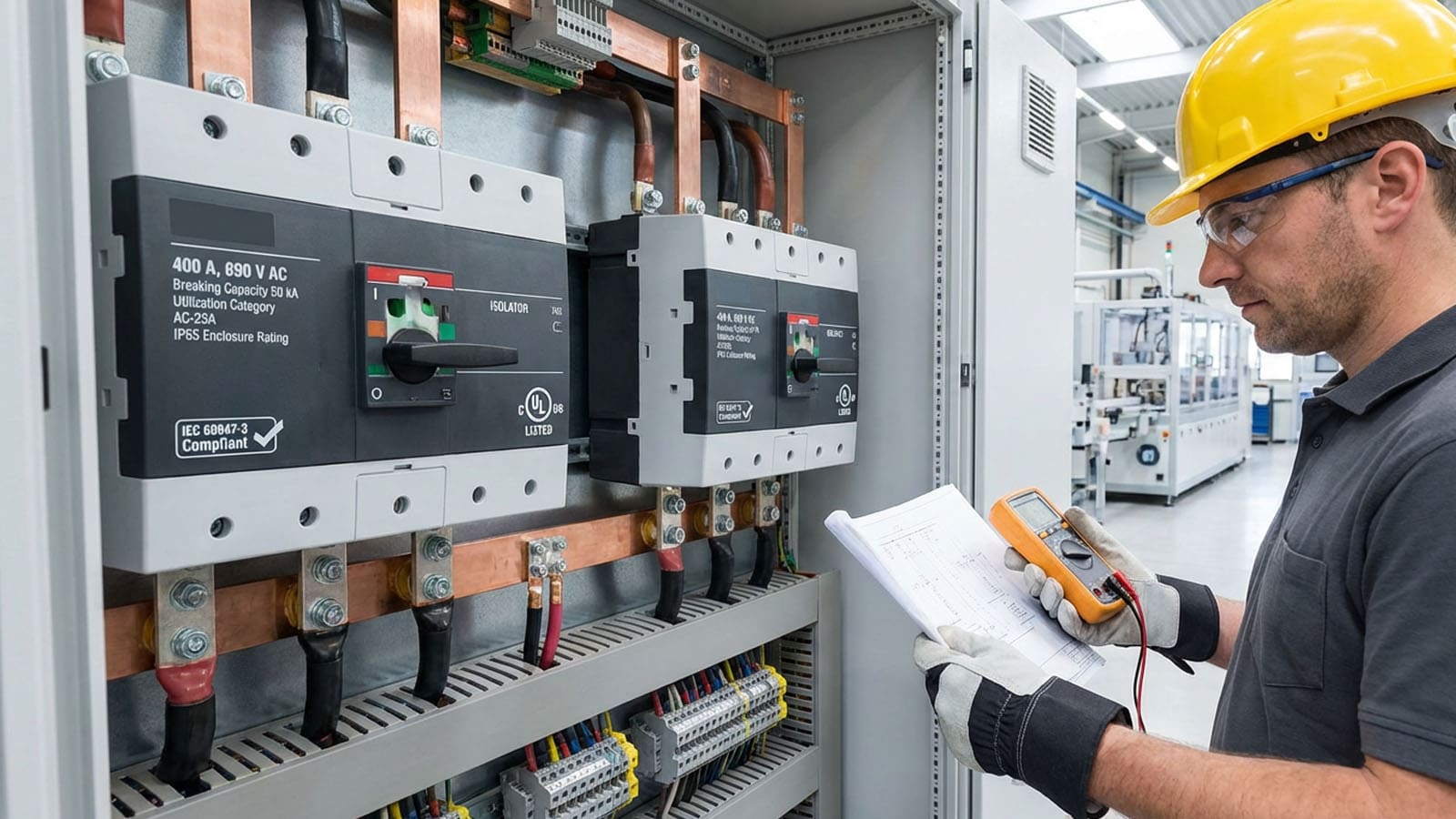
I work with panel builders who supply factories and industrial plants. Their first question is always current and voltage rating, but the real question should be breaking capacity and utilization category. A 400 A disconnector rated for 690 VAC might sound identical across brands, but breaking capacity and coordination tell you whether it will survive a 50 kA short circuit.
For industrial power distribution, select disconnectors with current ratings 10-20% above normal load, voltage ratings matching your line voltage plus transient margin, breaking capacity (Icu) that exceeds your calculated fault current, IP ratings suited to dust or chemical exposure, and compliance with IEC 60947-3 or UL 98 for safety and endurance.
Matching Disconnectors to Real Industrial Conditions
The table below shows typical industrial applications and the features you should prioritize:
| Application | Voltage | Current Range | Key Features | Standards |
|---|---|---|---|---|
| Motor feeders | 400–690 VAC | 63–630 A | Time-delay fuses, AC-22/AC-23 category, mechanical interlock | IEC 60947-3 |
| Transformer protection | 400–690 VAC | 160–800 A | Coordination with upstream fuse, slow-speed fuse for inrush | IEC 60947-3, UL 98 |
| HVAC systems | 230–400 VAC | 32–250 A | Lockout/tagout provision, IP54+ for roof units | IEC 60947-3 |
| Feeder circuits | 400–690 VAC | 125–630 A | High breaking capacity, modular add-on options | IEC 60947-3, EN 60947-3 |
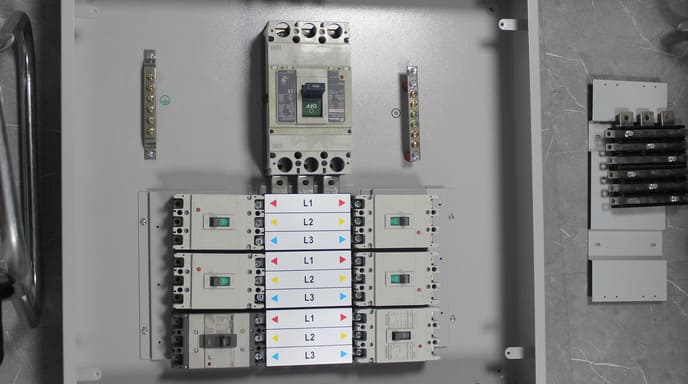
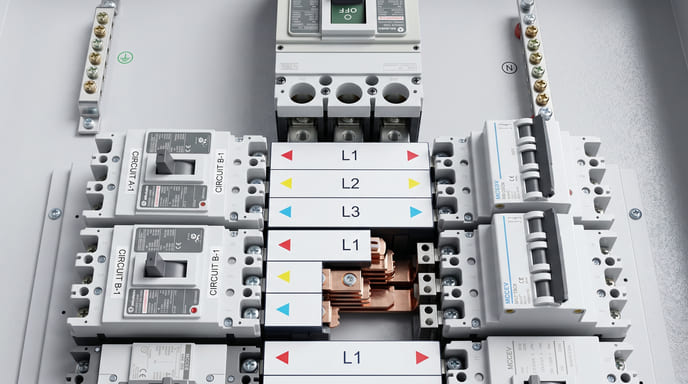
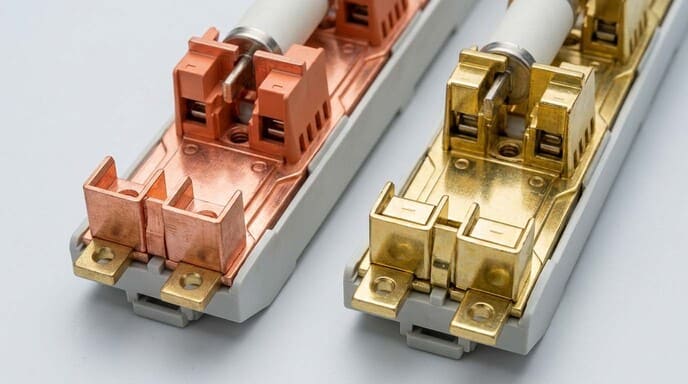
We design our vertical fuse switch disconnectors with tool-less fuse replacement and clear ON/OFF indicators because industrial clients need fast maintenance cycles. A modular design also matters. If you can mount multiple switch-ways in parallel using DIN rail or busbar connections, you can expand capacity without rewiring the entire panel. I have seen installation time drop by 25% when clients switch to modular, busbar-compatible units. Another priority is lockable mechanisms. Industrial safety standards require a way to padlock the disconnector in the OFF position during maintenance. The door or cover should accept a standard safety lock, and the switch should have a visible break between ON and OFF positions so your crew knows the circuit is truly isolated. All live parts must be fully shrouded to prevent accidental contact. Finally, verify that your chosen disconnector is tested and certified to IEC 60947-3, EN 60947-3, UL 98, or CSA C22.2 No. 4. These standards define switching performance, dielectric strength, temperature rise limits, and mechanical endurance. Without certification you have no guarantee the device will perform safely under fault conditions.
Fuse Switch Disconnectors for Industrial and Energy Storage Applications?
Energy storage systems and battery banks introduce DC fault currents that behave differently from AC. A DC arc does not self-extinguish at zero crossing, so you need a disconnector specifically rated for DC voltage and designed to interrupt DC arcs. I see too many projects where AC-rated disconnectors are installed on DC battery circuits, and the result is catastrophic arc flash.
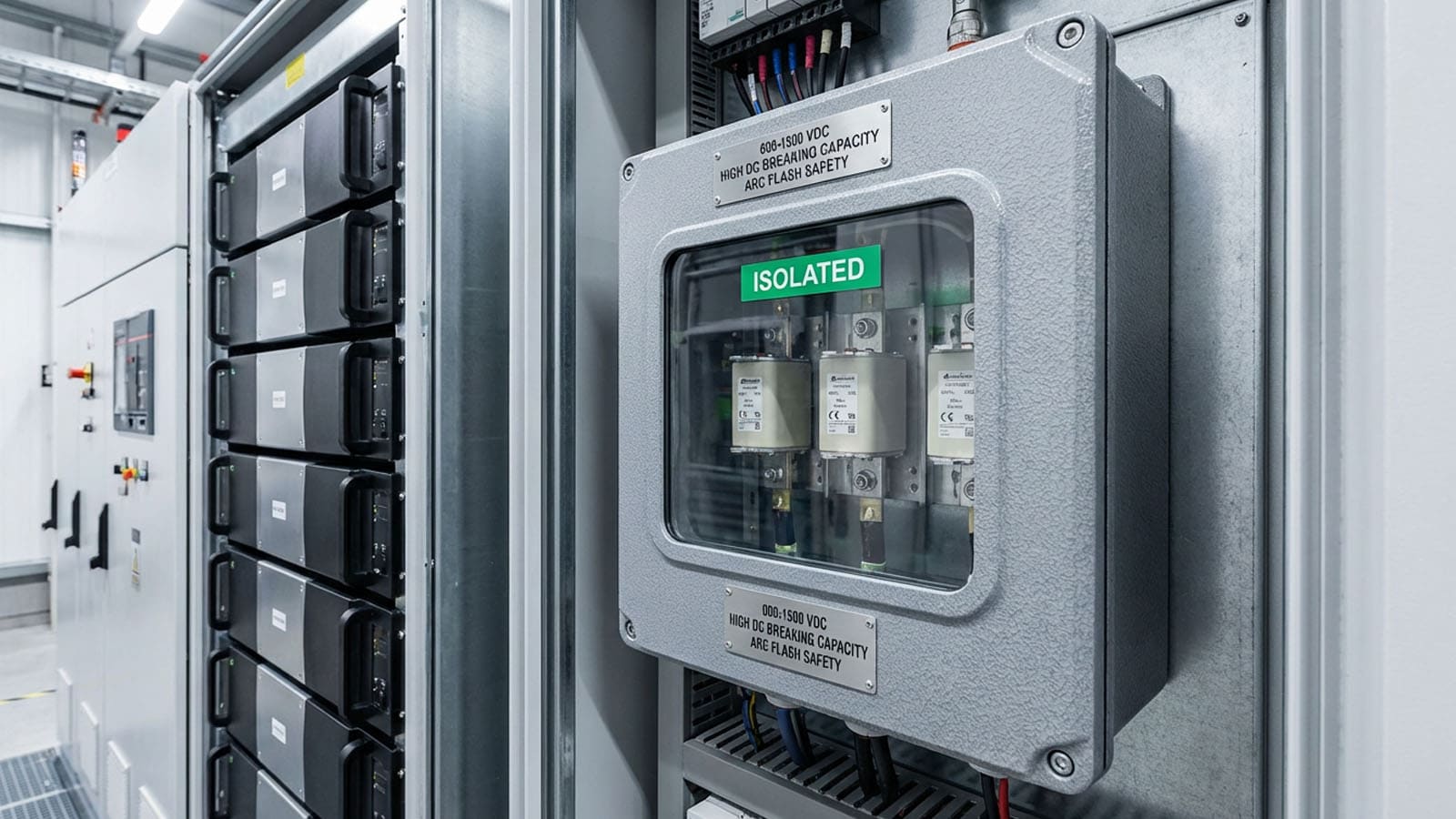
For energy storage and DC applications, choose fuse switch disconnectors rated for the system DC voltage (typically 600–1500 VDC), high DC breaking capacity, NH or specialized DC fuses, IP65 enclosures for outdoor battery containers, and visible isolation indicators to protect maintenance crews during commissioning and fault events.
DC Ratings, Fuse Selection, and Safety Features
DC systems require different utilization categories. IEC 60947-3 defines DC-21 (resistive loads) and DC-23 (motor loads) categories that specify making and breaking capacity for DC circuits. A disconnector rated AC-23 at 400 A might only be rated DC-23 at 250 A because DC arcs are harder to quench. Always check the DC current rating separately. For battery banks and inverters, I recommend pairing high-rupturing-capacity DC fuses (such as NH fuses rated for 120 kA or more) with a DC-rated switch disconnector. This combination gives you fast fault clearing and a clear isolation point for maintenance. Our vertical fuse switch disconnectors are frequently specified in energy storage systems because they save space and provide robust DC performance. Selective coordination is even more critical in energy storage. You want downstream fuses to clear before upstream feeders so one battery module fault does not shut down the entire array. Fuses offer faster and more predictable time-current curves than many breakers, which reduces nuisance tripping and large-scale outages. In hospitals, data centers, and critical industrial loads, a fused design often meets selective coordination requirements more easily than stacking molded-case breakers. Another feature I insist on is mechanical interlocks that prevent fuse removal when the circuit is live. This protects maintenance staff from accidental arc flash. The disconnector should also have a clearly visible break or indicator window showing switch status at a glance. For outdoor battery containers and solar installations, verify IP65 or IP66 rating, UV-resistant materials, and corrosion-resistant hardware. Enclosures should support padlocks for lockout/tagout during system commissioning and fault management.
Conclusion
Choosing a fuse switch disconnector is not just about matching amps and volts. You need to coordinate fuses with your protection scheme, select the right IP rating for your environment, verify DC ratings if you work with batteries, and prioritize modular, tool-less designs that keep your team safe and your system running.
-
Understanding the function of a fuse switch disconnector is crucial for effective electrical system management. ↩
-
Understanding inrush current is vital to prevent equipment damage during startup. ↩
-
IP ratings indicate the level of protection against dust and moisture, crucial for equipment longevity. ↩
-
This standard ensures safety and performance in electrical installations, making it essential for compliance. ↩