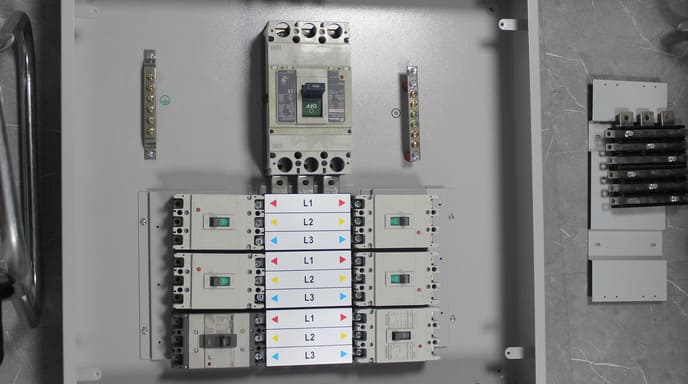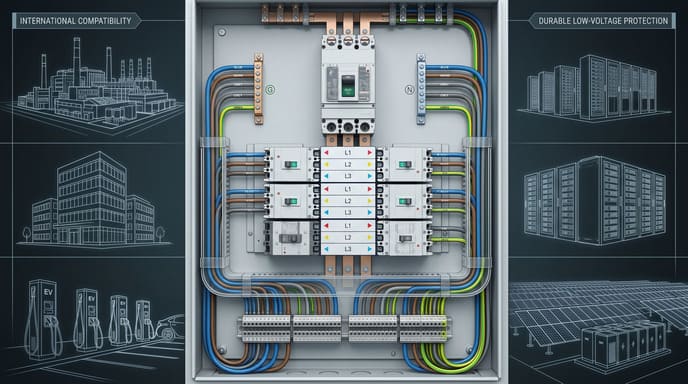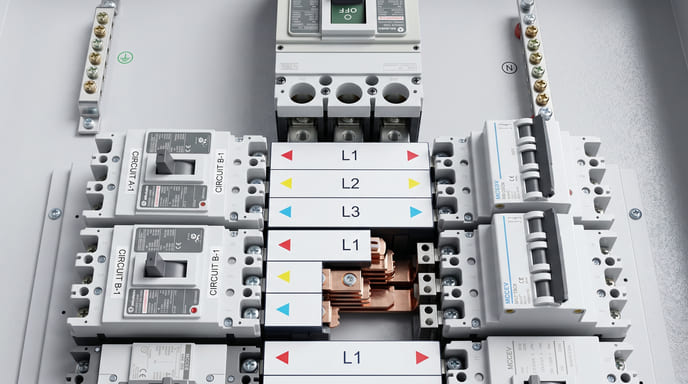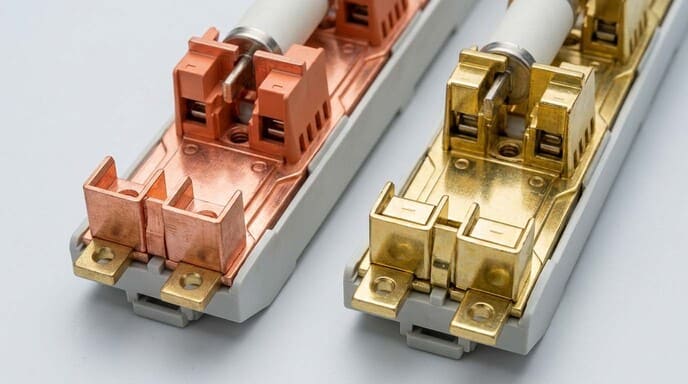
A wrong selection does not just mean bad performance. It can mean overheating contacts, blown fuses under normal operation, or catastrophic failure when a short circuit hits. I have watched projects fail because the team picked the device last, instead of designing around real fault levels and duty cycles from the start.
The most common mistakes are ignoring the actual short-circuit level at the installation point, confusing isolation with load switching duty, mismatching fuse and switch ratings1, overlooking usage categories like AC-22 versus AC-23, and failing to verify protection coordination. These errors undermine safety, reliability, and compliance, and they create expensive rework or field failures.

I used to think selection was just about current rating and catalog availability. Then I saw panels where the fuse switch could not handle the fault level, or where an isolator was cycled under load every day and failed in months. Now I treat selection as a design step that starts with system data and ends with coordination verification, not as a procurement checkbox.
Ignoring breaking capacity matching, Confusing "isolation function" with "load switch function"?
Breaking capacity is the first place I check, because if the device cannot interrupt the fault current at that specific location, nothing else matters. The problem is that many teams look at current rating and assume breaking capacity2 will be fine.
Breaking capacity must match or exceed the prospective short-circuit current at the installation point, and fuse switch disconnectors are valued in industrial distribution boards specifically because they can safely interrupt very high fault currents when properly coordinated with the fuse.
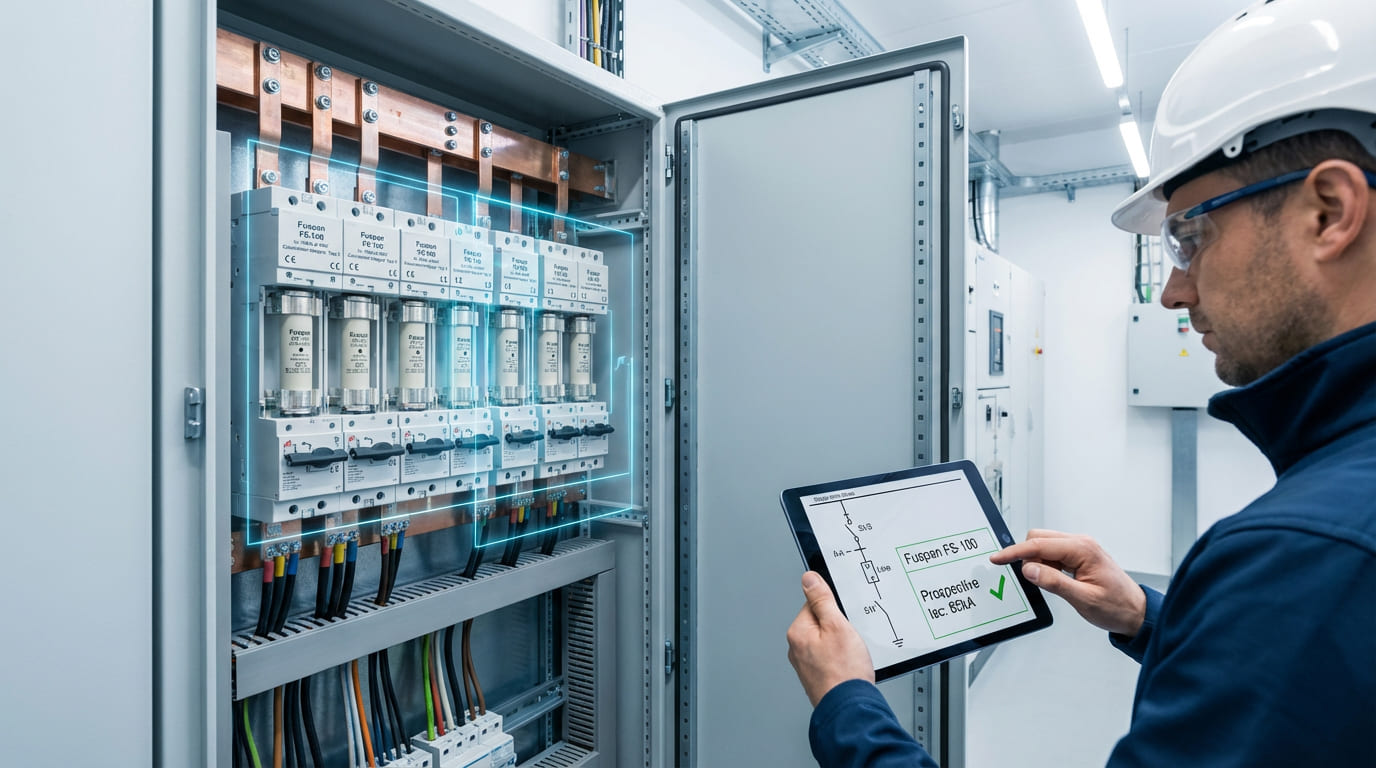
I have seen contractors install a fuse switch rated for 50 kA where the fault level was 65 kA, and the result was welded contacts and a destroyed panel.The second common error is using an isolator (designed only for off-load operation) as a load switch, cycling it under load daily. Isolators are not built for load switching duty, so arcing and contact wear accelerate and life drops.A true load switch or switch-fuse disconnector is designed for on-load operation and includes arc suppression features.The key is to verify both the short-circuit withstand at the exact panel location and the intended switching duty before choosing the device type.
What I verify first
- Prospective short-circuit current at the installation (from fault study or utility data).
- Whether the device will be operated under load or only for isolation.
- Coordination between the fuse breaking capacity and the switch mechanism.
Mismatch between fuse and switch rated current, Failure to consider usage category (AC-22, AC-23, etc.)?
Fuse and switch ratings must work together, because a fuse rated higher than the switch carrier can overheat the contacts or fail to protect the switch itself. I have watched panels where the fuse was oversized "for safety margin" and the switch overheated under normal load.
The fuse rating must not exceed the rated operational current of the fuse switch disconnector, and the switch must be selected with a current rating that matches or slightly exceeds the normal operating current to prevent overheating or damage.
The second trap is ignoring usage categories. AC-22 is for resistive loads and simple switching, while AC-23 is for motor loads with high inrush current.If you apply an AC-22 device to a motor feeder, the inrush can weld contacts or cause nuisance fuse blows.I treat usage category as a mandatory check, not an optional detail, because the device must be rated for the actual duty it will see in service.
Practical selection table (rating and category alignment)
| Mistake | What happens | How I fix it |
|---|---|---|
| Fuse rated above switch current | Contacts overheat, switch fails before fuse clears. | Match fuse rating to switch operational current or below. |
| AC-22 device on motor circuit | High inrush causes contact wear or nuisance trips. | Use AC-23 rated switch-fuse for motor feeders. |
| Undersized switch for load | Overheating, premature failure, insulation damage. | Select switch with rating that matches or slightly exceeds normal load. |
Ignoring installation method and environmental conditions, Ignoring the suitability of the operating mechanism?
Mounting orientation and environment are not cosmetic details. Poor orientation can block arc vents or reduce cooling, and insufficient ingress protection lets dust or moisture into contacts, accelerating insulation breakdown and contact corrosion.
Environmental factors such as mounting style, ingress protection (IP rating), ambient temperature, and installation space must be verified, and higher amperage switches require more robust components and adequate space for safe access.
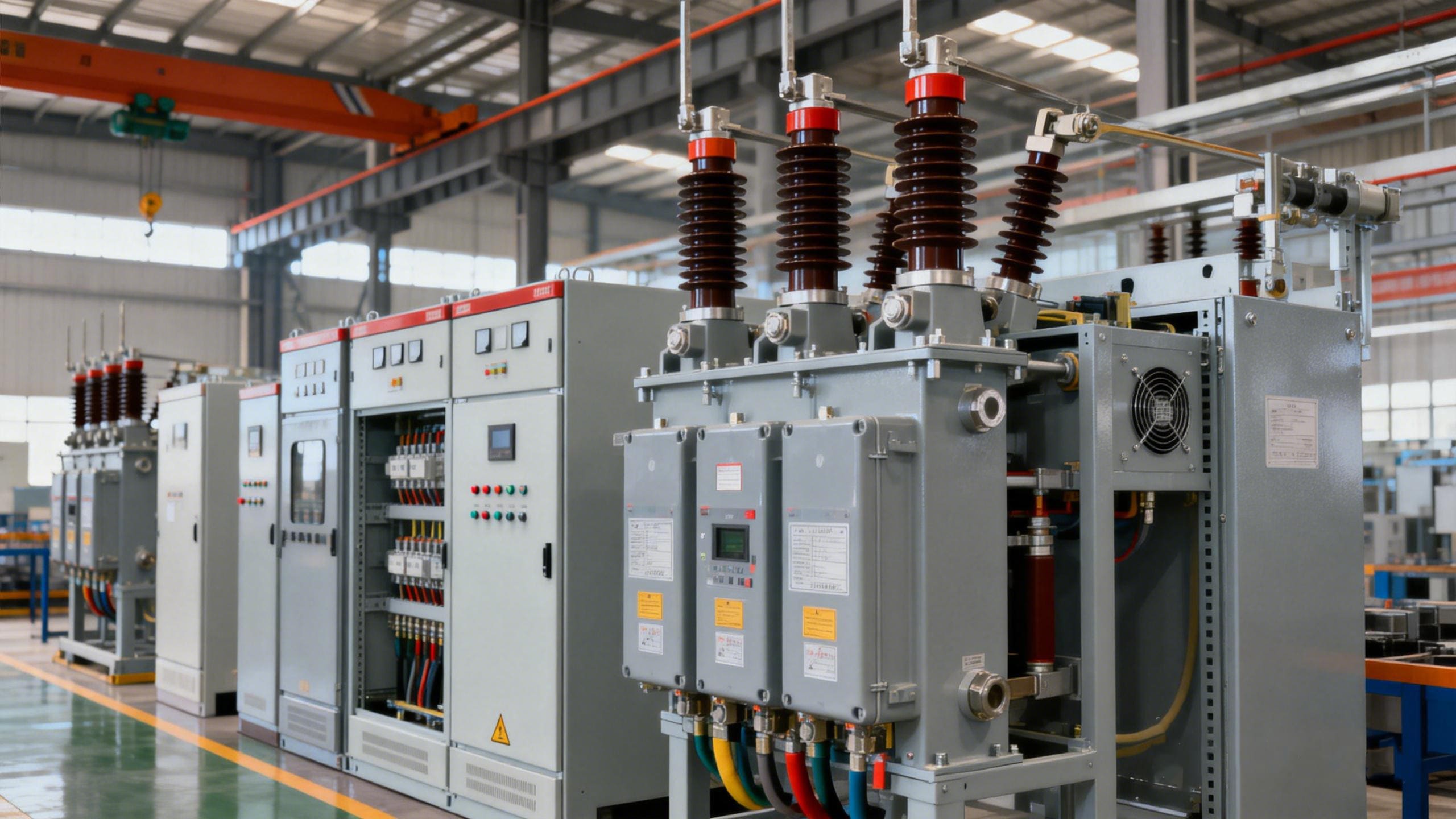
I have seen panels installed in high-dust factories with IP20 enclosures, and within months the fuse carriers were corroded and the contacts were pitted.The operating mechanism3 also matters: if the panel needs remote or automated control, a manual handle will not satisfy the requirement, and retrofitting an actuator later is expensive and may not be possible.I check mounting options (panel surface, DIN rail, or box mount), IP rating for the actual environment (dust, moisture, or outdoor), and whether the mechanism supports the control strategy (manual, motorized, or remote).
What I verify for installation and mechanism
- Mounting style and available space inside the enclosure.
- IP rating versus actual dust, moisture, or temperature exposure.
- Operating mechanism type (manual, motorized, lockable) versus control requirements.
Insufficient or excessive safety margin, Ignoring certification and standard compliance4?
Safety margin is necessary, but "just in case" oversizing destroys selectivity and can make coordination impossible. I have seen designs where every device was oversized by 50%, and when a fault occurred, nothing cleared selectively.
A properly selected fuse switch disconnector should have appropriate current and voltage ratings with a safety margin, but excessive oversizing increases cost, wastes panel space, and can undermine protection selectivity.
The second critical error is ignoring certification. Uncertified products may have no verified breaking capacity, no tested coordination, and no legal compliance, which leaves the installer and end user exposed to safety and liability risks.Key standards include IEC 60947-3, EN 60947-3, UL98, and CSA C22.2 No. 4, and confirming certification gives confidence in the reliability and intended role of the disconnector.I treat certification as non-negotiable, because a non-compliant product can fail inspection, void insurance, and create real hazards.
Margin and compliance decision checklist
| Topic | Too little | Too much | What I do |
|---|---|---|---|
| Safety margin | Overheating, nuisance trips under normal load. | Undermines selectivity, wastes space and cost. | Match actual load profile with modest headroom. |
| Certification | No verified performance, liability risk, failed inspections. | N/A | Verify IEC 60947-3, UL98, or equivalent before purchase. |
Ignoring ease of maintenance and replacement, Failure to perform protection coordination verification?
Maintenance access is not a luxury. Cramped panels without fuse status indication or access space slow service, increase downtime, and raise the risk of arc flash during live work.
Maintenance considerations include physical access for fuse replacement, fuse status indicators, and panel layout that allows safe service without exposing technicians to live parts.
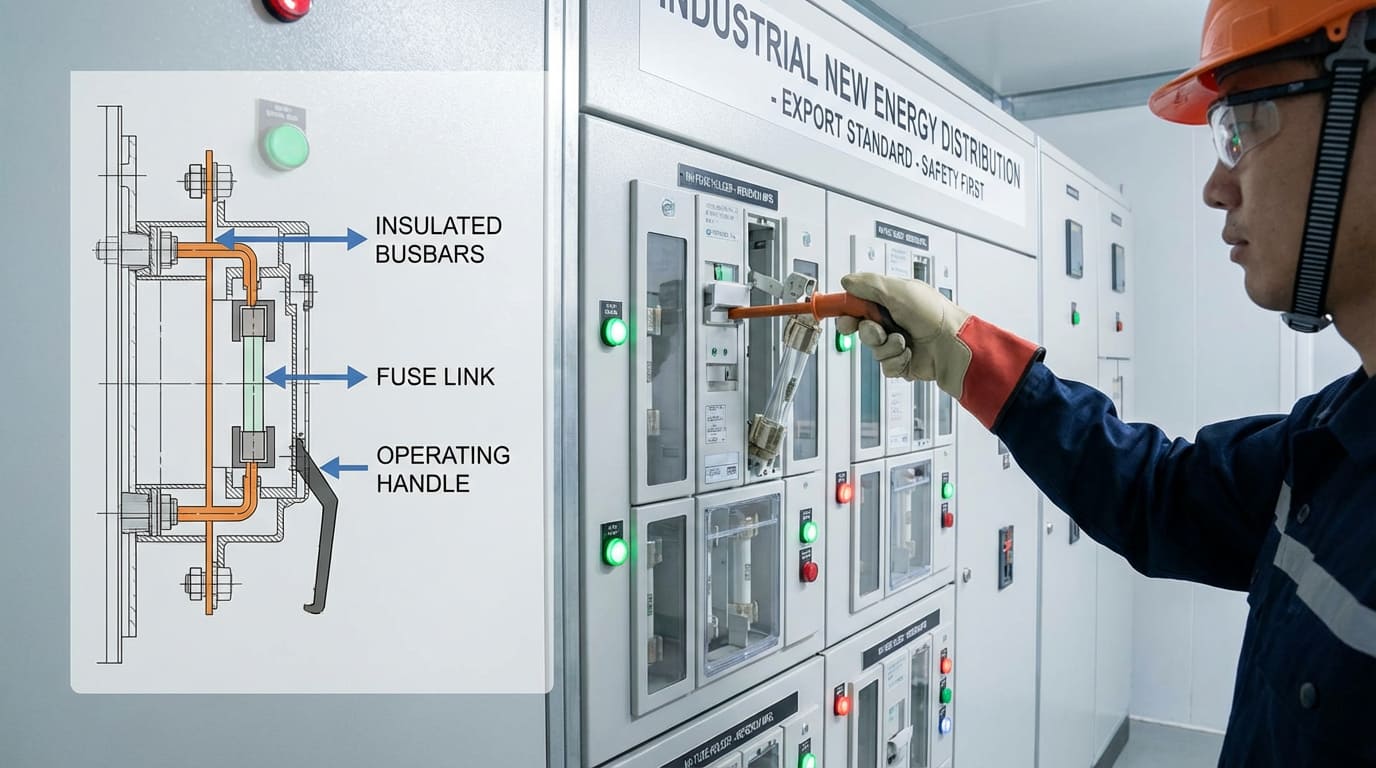
I have been in plants where the fuse switch was buried behind three other devices, and every fuse change required a partial panel shutdown. The final and most dangerous mistake is skipping coordination verification. Protection coordination uses time-current curves to ensure that only the nearest protective device clears a fault, avoiding nuisance trips upstream and wide outages.Without coordination, a downstream fault can blow the main fuse and shut down the entire panel.I treat coordination as a mandatory engineering step, not a post-installation check, because fixing coordination problems after commissioning is expensive and disruptive.
Maintenance and coordination verification steps
- Verify physical access and clearance for safe fuse replacement.
- Check for fuse status indicators or visible break to reduce diagnostic time.
- Perform time-current curve coordination with upstream and downstream devices before finalizing the design.
Conclusion
I avoid these mistakes by starting with fault studies, load profiles, and usage categories, verifying breaking capacity and certification, and confirming coordination before I finalize the fuse switch disconnector selection.
-
Matching ratings is essential to prevent overheating and ensure the safety of electrical systems. ↩
-
Understanding breaking capacity is vital for selecting devices that can handle fault currents safely. ↩
-
Understanding different mechanisms helps in selecting the right device for your control strategy. ↩
-
Learn about the significance of certification to ensure safety and compliance in your installations. ↩