The biggest risk in meter box installation is not wrong wiring. It is a box that is hard to access, fails inspection, or cannot support future loads and upgrades.
To install an electric meter box1, I first confirm utility requirements, mounting height, clearances, and future load needs. Then I fix the box securely, route and terminate cables neatly, seal against weather, label clearly, and verify all connections before the utility energizes the service.
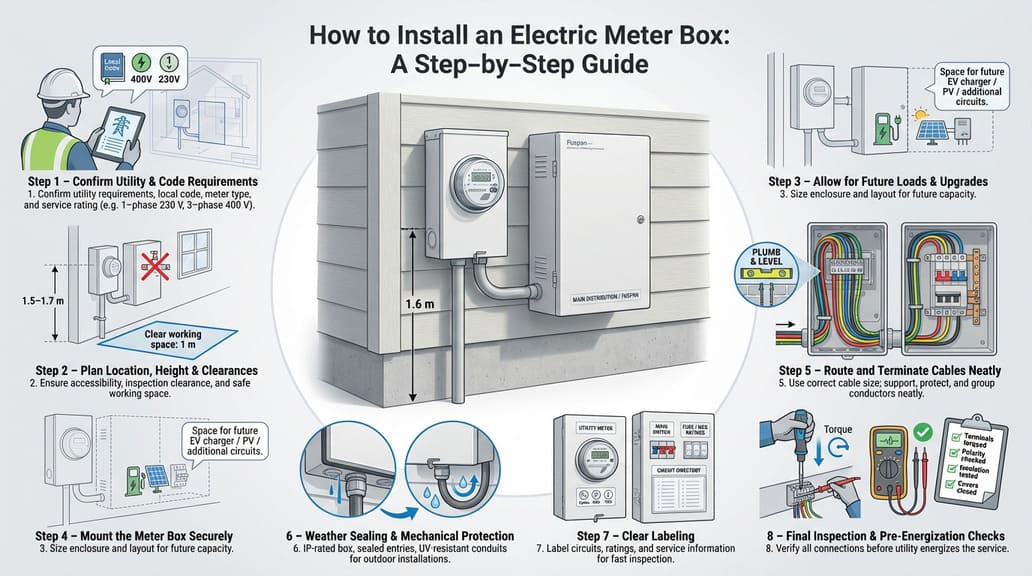
I see many neat installations that still fail in real life. So in this guide, I walk through the full context. I cover what the box does, how to plan safely, and how to install with the next ten years in mind, not just tomorrow’s inspection.
What Is an Electric Meter Box and Why It Matters?
A meter box is easy to ignore when it works. When it is wrong, it becomes the hardest and most expensive part of a building electrical system to fix.
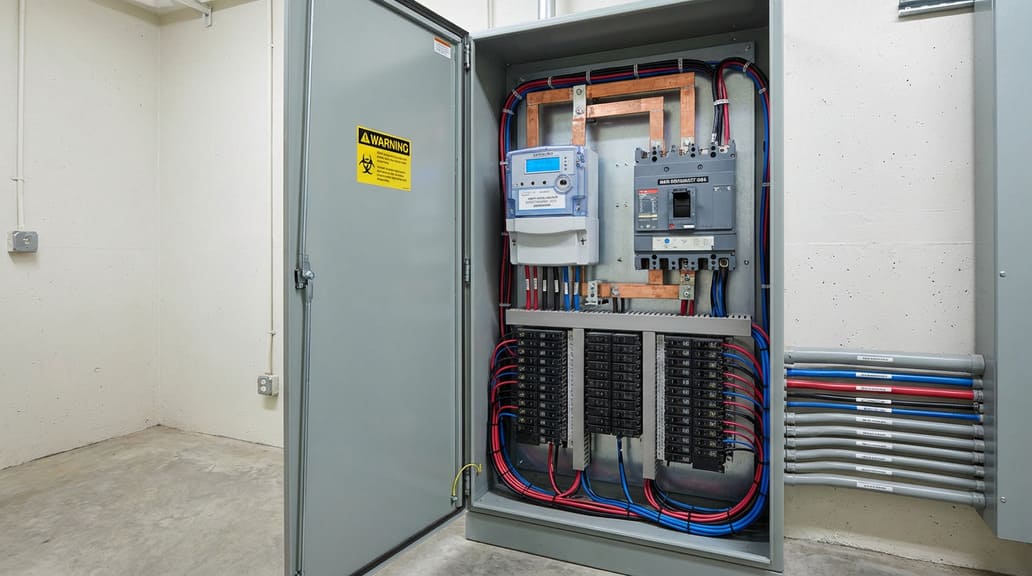
An electric meter box is the enclosure that houses the utility’s energy meter and often the main switch or breaker. It protects live parts from people and weather, gives the utility a secure access point, and sets the “starting point” for all downstream electrical circuits.
What does the meter box actually do?
From my work at Fuspan, I see the meter box as the front door of the whole electrical system. It sets the interface between the utility and the building. If I get this boundary wrong, I create problems for everyone. The utility cannot seal their meter. The owner cannot expand later. The inspector cannot pass the job with peace of mind.
Here is how I usually break down its roles:
| Role | What it means in practice | Why it matters long term |
|---|---|---|
| Utility interface | Utility meter fits, seals, and reads correctly | Avoid disputes, rework, and denied connections |
| Safety barrier | Live parts are enclosed and protected from touch and weather | Protects people, reduces fire and shock risk |
| Main isolation point | Often houses main breaker, switch, or fuse | Simple and safe way to de-energize whole system |
| Demarcation line | Clear border between utility side and customer side | Makes responsibilities and future work clear |
| Space for future loads | Room for EV chargers, PV, extra breakers, or CTs in some designs | Avoids full replacement later |
| Environmental protection | UV-resistant, weather-rated, corrosion-resistant for the real site | Keeps connections solid and safe over many years |
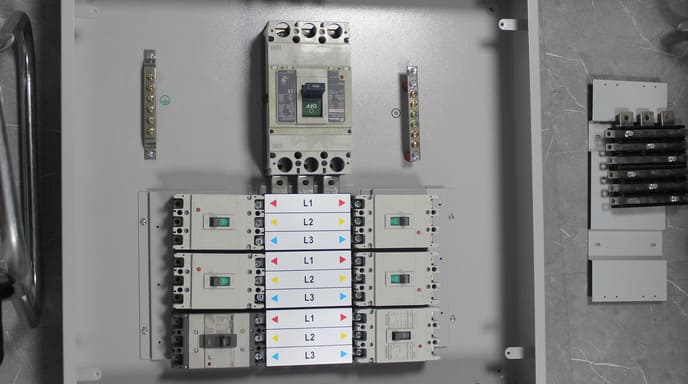
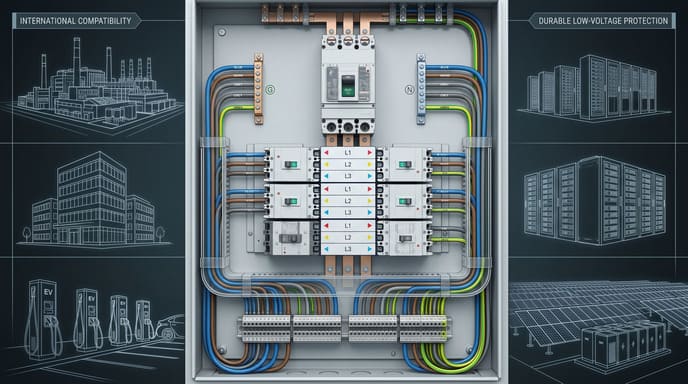
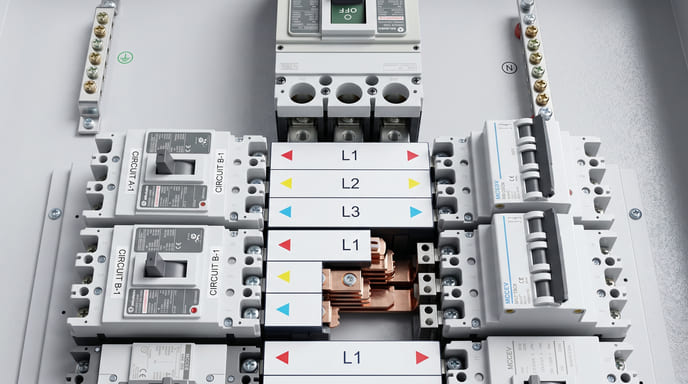
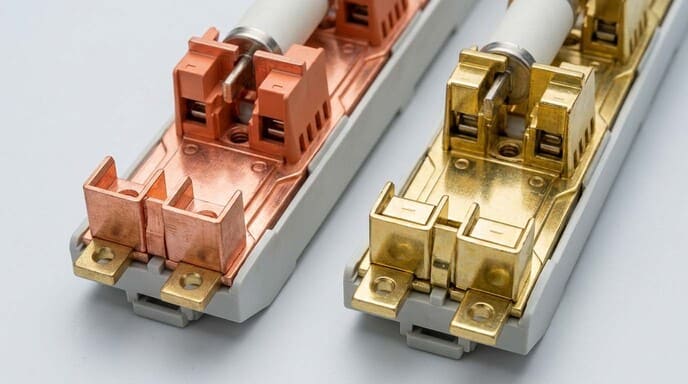
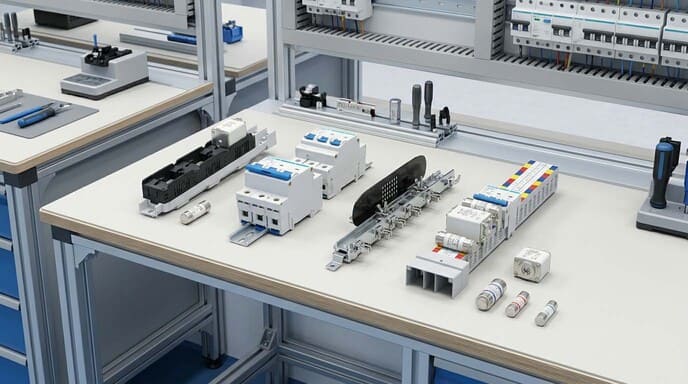
In many new energy and industrial projects, I now design meter boxes as part of a wider distribution system. Sometimes I integrate busbars2, fuse-switch disconnectors3, or DC protection for PV. This is where a modular, well-thought-out box changes the whole project. It lets me keep the front end clean while still leaving real room for growth.
Safety and Preparation Before Installation?
Every successful meter box installation starts long before drilling the first hole. Most failures come from skipping simple checks at the planning stage.
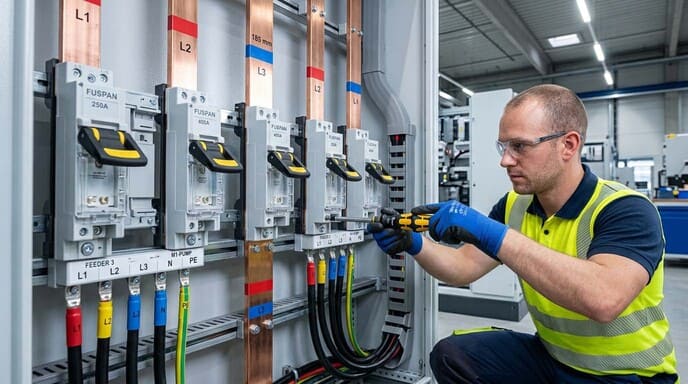
For safe installation, I confirm power is isolated, follow local codes, use proper tools and PPE, check the utility’s meter requirements, and plan mounting, cable routes, and future expansion. I only start work when all these basics are clear and documented.
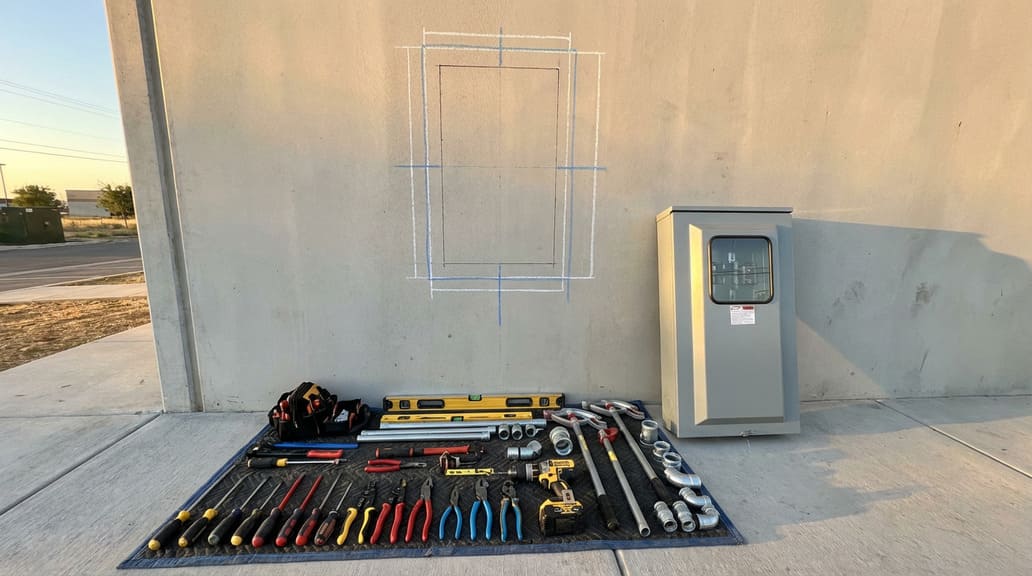
How do I prepare the site and keep it safe?
I always start with safety because meter boxes sit at the upstream side of the system. Mistakes here can be fatal. I do not work live on the supply side. If there is any doubt, I stop and call the utility or a licensed electrician.
Here is how I usually prepare:
| Step | What I do | Why I insist on it |
|---|---|---|
| Confirm authority rules | Get local code and utility service rules for meter boxes | Rules for position, height, and sealing vary by region |
| Check supply details | Voltage, phase, short-circuit level, neutral type | Helps choose the right box rating and internal devices |
| Survey the mounting area | Look at wall strength, moisture, sunlight, access | Prevents cracked walls, rust, or blocked access later |
| Plan cable entry paths | Mark incoming and outgoing cable routes | Avoids sharp bends, clashes with other services |
| Decide future allowances | Think about EV charger, PV, extra sub-circuits | Saves costly rework when the owner upgrades |
| Prepare PPE and tools | Gloves, eye protection, tester, drill, level, torque tools | Keeps work safe and connections properly tightened |
| Confirm isolation | Make sure no live supply is present before handling conductors | Non-negotiable for personal safety |
Many customers I work with want compact boxes. I often push back a little. I ask about EV chargers, battery storage, or PV in the next five to ten years. A slightly larger meter box or nearby distribution assembly is cheap insurance. It makes future projects cleaner and safer.
Step-by-Step Guide to Installing the Electric Meter Box?
Many people think meter box installation is just “mount and wire.” I see it as a sequence: position, strengthen, connect, protect, and make it easy to use and service.
To install a meter box, I mark the approved location, fix the enclosure level and secure, bring in supply and load cables, terminate according to the wiring diagram, torque all connections, label circuits, and finish with weather sealing and a clean, safe interior.
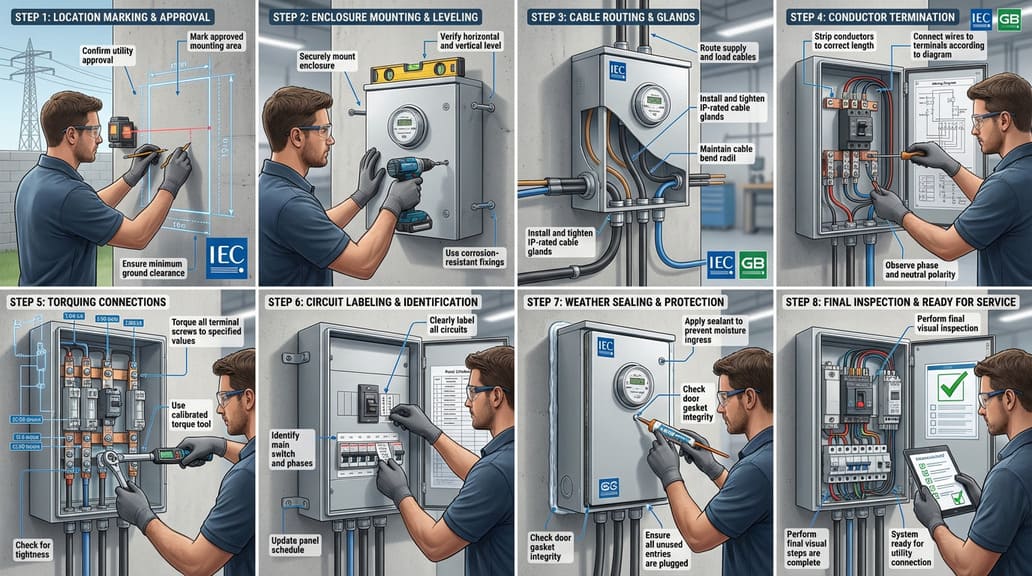
How do I actually mount and connect the meter box?
I will walk through a simple, typical AC meter box installation. Local codes vary, but the logic is much the same. I adapt the steps to single-phase or three-phase, and to indoor or outdoor installations.
| Step | Action | Details I focus on |
|---|---|---|
| 1 | Mark location | Follow height and clearance rules from utility and code |
| 2 | Drill and install anchors | Use fittings suitable for wall type and box weight |
| 3 | Mount and level the box | Ensure door opens fully, no twist that stresses enclosure |
| 4 | Prepare cable entries | Drill or punch knockouts, install glands or bushings |
| 5 | Bring in supply and load cables | Respect bend radius, avoid sharp edges |
| 6 | Install DIN rails, busbars, or pan if needed | Many boxes accept modular MCB/MCCB or fuse bases |
| 7 | Terminate conductors | Connect line, neutral, earth to correct terminals |
| 8 | Torque and check | Use torque screwdriver or wrench as per manufacturer |
| 9 | Label circuits and boundaries | Show utility side vs customer side, circuit functions |
| 10 | Seal entries and close the box | Weatherproof glands and gaskets, keep insects and water out |
In many projects, I use pan assemblies that we design for MCBs and MCCBs. These assemblies save time on site. The installer mounts the box, snaps the breakers into the pan, and connects line and load in a clear, repeatable way. For outdoor boxes, I always check door seals and cable glands twice. One small leak can damage breakers and meters over time. I also think about the technician who will work inside the box later. I leave enough slack for safe re-termination, but not so much that the wiring becomes a messy ball.
Common Issues and Troubleshooting?
Most meter box problems show up months or years after installation. Often the root cause is a design or installation shortcut that seemed small at the time.
Common meter box issues include water ingress, overheating from loose connections, misalignment with utility equipment, limited space for upgrades, and nuisance tripping from poor circuit segregation. I troubleshoot by checking the enclosure, terminations, load balance, and overall layout against the original design and code.
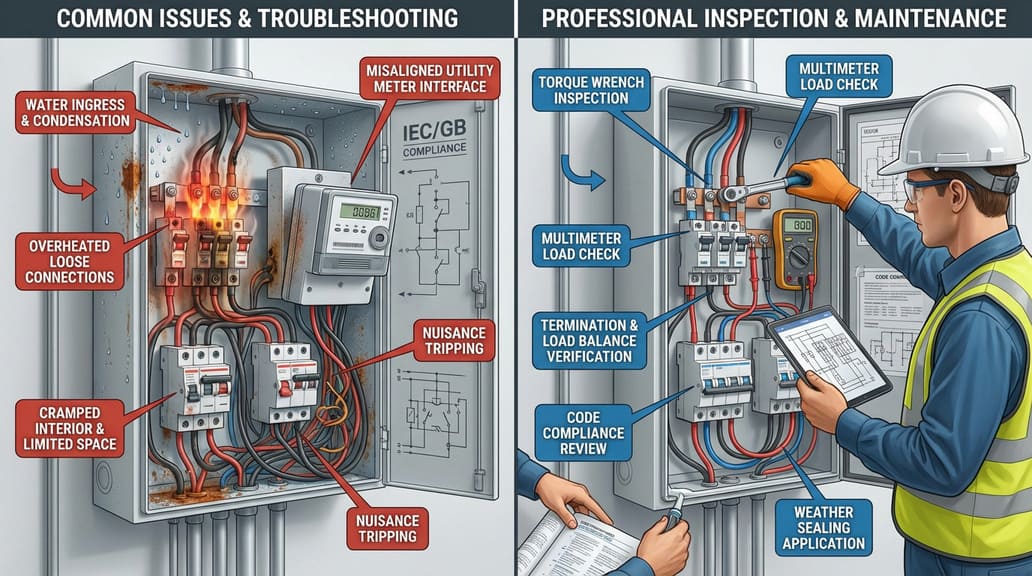
What problems do I see most often, and how do I fix them?
I often get called to look at installations that I did not design. Many of the same patterns repeat. The wiring looks fine at first glance. The real problem is layout, enclosure, or future loads that never got planned.
| Problem | Typical cause | How I diagnose | What I usually do |
|---|---|---|---|
| Water inside box | Bad seals, wrong IP rating4, wrong mounting angle | Look for rust, stains, swollen insulation | Replace or reseal box, move if needed |
| Overheating or discoloration | Loose lugs, undersized conductors, high load | Thermal camera or touch, visual color changes | Re-torque, upsize conductors, improve ventilation |
| Utility rejection at inspection | Wrong position, wrong enclosure type | Compare with utility rules | Replace or relocate, adjust box type |
| No room for extra circuits | Box sized only for current load | Look at inside free space and rail length | Add nearby distribution box or upgrade enclosure |
| Frequent breaker trips | Wrong settings, poor load balance | Measure current per phase, review circuit layout | Rebalance loads, adjust breaker selection |
| Difficult servicing | Tight wiring, no working space | Try simulating maintenance task | Re-route conductors, add junction points or space |
In one industrial job, I saw a three-phase meter box mounted under a steel staircase. It passed the initial inspection because everything was technically inside the code envelope. Two years later, when workers tried to add a new circuit, the access was so tight that everyone had to work in unsafe postures. For new projects, I now walk around the site and imagine someone standing in front of the box with tools, years later. If that picture feels wrong, I move the box on the drawings, before the drill ever hits the wall.
When to Call a Licensed Electrician?
Some people want to handle everything themselves. I respect that drive. But the upstream side of the electrical system is not the place to guess.
I call a licensed electrician when I need to connect to live utility service, upgrade service capacity, modify main protection devices, or work under codes that require a licensed contractor for meter and service equipment installation and inspection.
Where is the line between DIY and professional work?
I work with many skilled technicians and some hands-on building owners. Some tasks are safe for them. Some must stay with licensed professionals because of legal and safety reasons. The exact rules depend on the country or region, but the principles stay constant.
| Situation | Can I do it myself? | Why I prefer a licensed electrician here |
|---|---|---|
| Mounting an empty enclosure | Often allowed, if no wiring yet | Simple carpentry skills are often enough |
| Running conduits or sleeves | Often allowed before pulling live conductors | Still needs attention to bend radius and routes |
| Terminating main service conductors | Usually must be licensed | High fault energy, strict code rules |
| Changing service size (e.g. 60A to 100A) | Must be licensed and utility-approved | Affects infrastructure and protection coordination |
| Connecting to the utility network | Only utility or licensed electrician | Legal seal, safety, and metering accuracy |
| Integrating PV or EV into meter area | Strongly advised to be licensed | Backfeed and new fault paths need proper design |
I often support licensed electricians with technical drawings, busbar layouts, and device selection. This is where my role at Fuspan comes in. I focus on modular systems, like pan assemblies for MCBs and MCCBs, and distribution boxes that are ready for export and easy to install. When the product is clear and well documented, the electrician can focus on safe, code-compliant work rather than improvising inside a cramped box.
Conclusion
A good meter box installation is not just neat wiring. It is safe, compliant, easy to service, and ready for future loads and upgrades over many years.
-
Understanding the function of an electric meter box is crucial for safe and effective installation. ↩
-
Busbars can enhance the efficiency and organization of electrical systems. ↩
-
Fuse-switch disconnectors provide essential protection and isolation in electrical systems. ↩
-
Understanding IP ratings helps ensure that installations are suitable for their environment. ↩